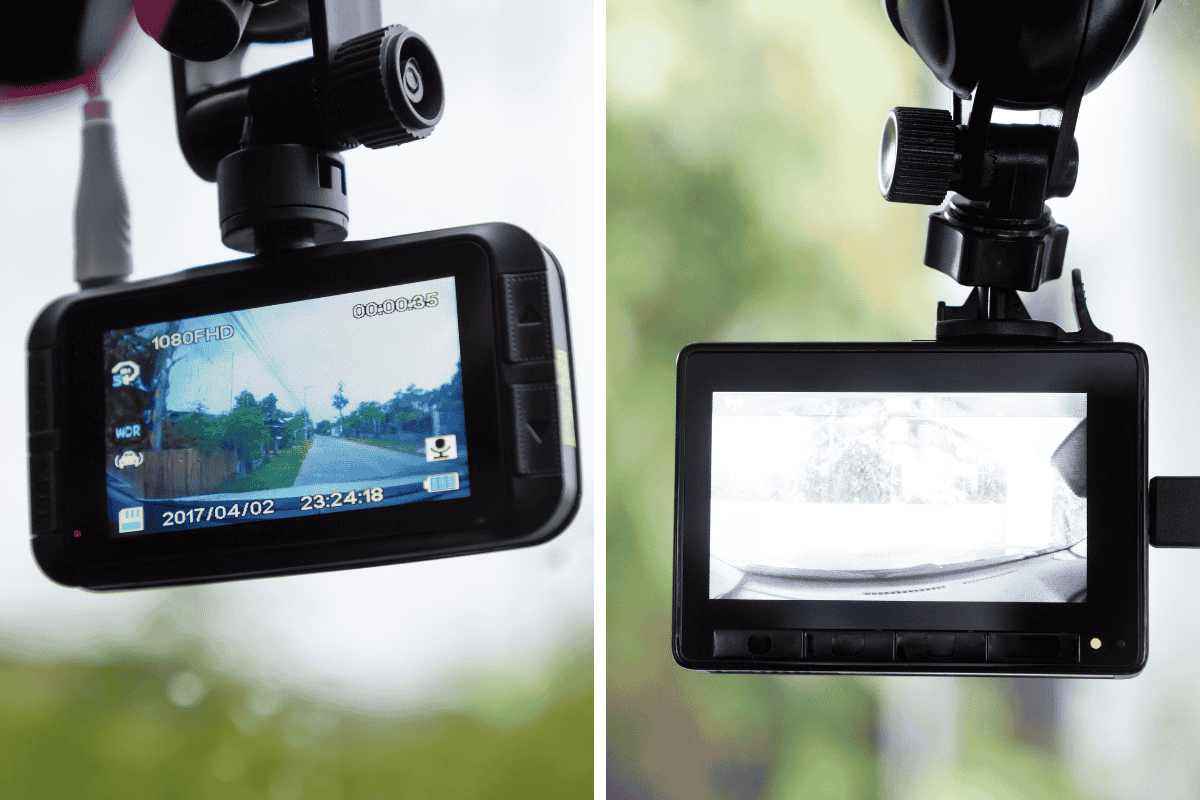
Dash cams are legal in Minnesota with specific mounting rules under state traffic statutes, allowing placement near the rearview mirror if it does not obstruct vision. Audio recording follows one-party consent, meaning drivers can record without notifying passengers. Commercial and rideshare users face extra notification requirements for privacy compliance.
Mounting Regulations
Minnesota Statutes § 169.71 explicitly permits “driver feedback and safety monitoring equipment” like dash cams mounted immediately behind, slightly above, or slightly below the rearview mirror.
No objects can suspend between the driver and windshield to block vision, so improper placement risks petty misdemeanor fines up to $300. Dashboard mounting is allowed if secure and non-obstructive, but windshield spots near the mirror are preferred to avoid airbag interference.
Audio and Privacy Rules
As a one-party consent state under Minn. Stat. § 626A.02, drivers consent for themselves, enabling audio in their vehicle without passenger notice. Turn off audio on private property like parking lots to respect privacy expectations. Police interactions on public roads remain recordable, aligning with First Amendment rights.
Commercial Vehicle Specifics
Rideshare drivers (e.g., Uber, Lyft) and fleets must inform passengers about recording via signage or apps to meet employer policies and avoid disputes. Federal DOT rules for interstate trucks allow dash cams but require privacy notices; state law mirrors this for intrastate ops. Improper use could void footage admissibility in court or trigger labor complaints.
Benefits and Enforcement
Dash cams provide liability protection in accidents, with footage often admissible if legally obtained. Enforcement focuses on obstructions; officers cite under § 169.71 for violations during stops. Insurance discounts up to 10-20% apply for verified installations in some providers.
Penalties Table
Installation Tips
Choose low-profile cams under 5 inches to fit mirror zones securely with suction or adhesive mounts. Route cables behind trim to prevent dangling hazards. Test for glare or blind spots pre-drive.
SOURCES:
- https://www.knowyourrights.com/blog/how-dashcams-can-help-in-a-car-accident/
- https://www.gpsinsight.com/blog/are-dash-cameras-legal-in-commercial-vehicles/