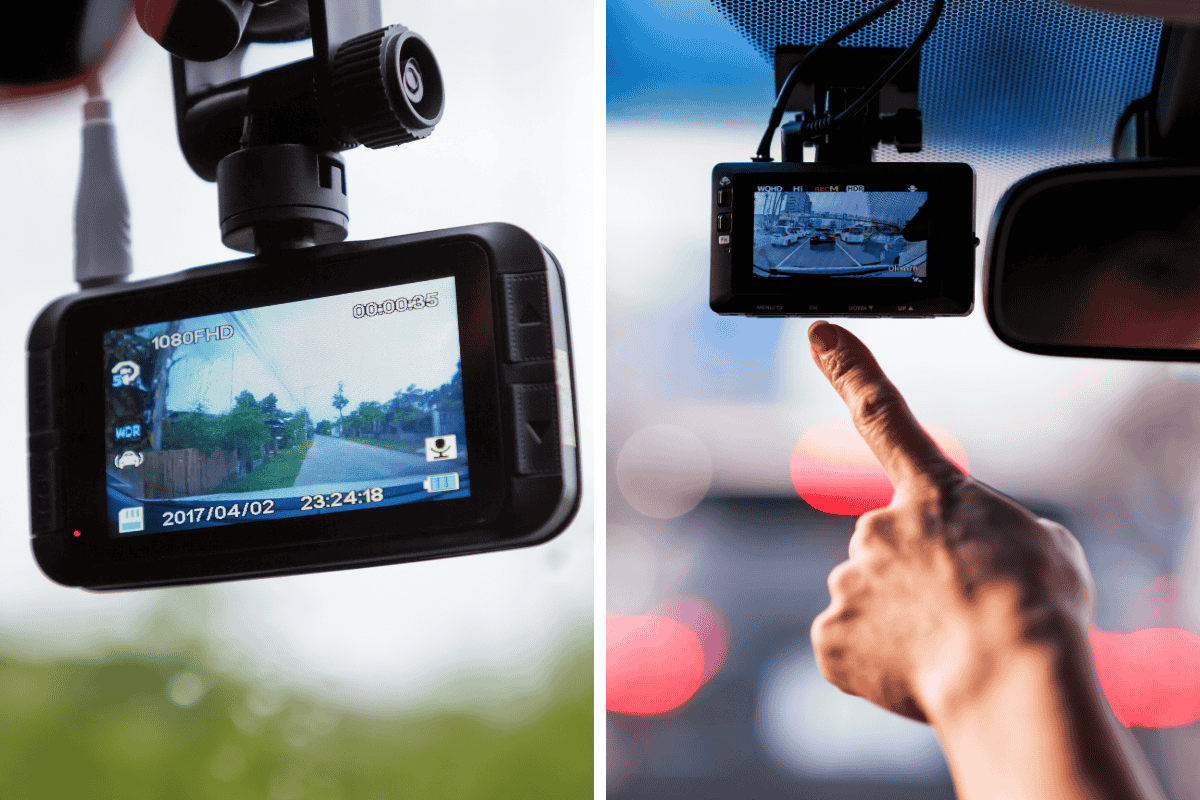
Dash cams in Kentucky offer drivers valuable protection through recorded evidence without facing legal prohibitions. State law permits their use for both personal and commercial vehicles as long as they do not obstruct the driver’s view of the road or interfere with safe operation. Kentucky’s one-party consent rule for audio recordings further simplifies compliance, making these devices a practical tool for accident claims and insurance disputes.
Legality of Dash Cams
Kentucky imposes no outright bans on dash cams, aligning with permissive policies across most states. Video recording from the road qualifies as public activity, fully protected without privacy concerns for passersby.
Mounting anywhere on the dashboard or windshield lower corners works legally, provided visibility remains clear. No size limits or specific zones apply, unlike stricter states such as California or Virginia.
Audio follows one-party consent—your own approval suffices, even with passengers. This covers interior-facing cams capturing conversations or driver behavior.
Mounting and Placement Rules
Drivers must prioritize safety: Cams cannot block forward, side, or rear sightlines per general vehicle equipment statutes (KRS 189.040). Common setups include suction cups behind the rearview mirror or adhesive dashboard mounts.
Commercial fleets face identical rules, with no federal overrides beyond hours-of-service logging. 2026 updates like HB 7 focus on school buses, leaving personal vehicles untouched.
Audio and Privacy Considerations
One-party consent exempts Kentucky from all-party hurdles plaguing states like Florida. Footage remains admissible in court for claims, provided chain-of-custody holds—timestamped files with GPS add credibility.
Privacy risks arise only in private settings; road interactions stay public domain. Inform passengers of recording to avoid disputes, though law doesn’t mandate it.
| Aspect | Kentucky Rule | Comparison to Strict States |
|---|---|---|
| Mounting | No obstruction allowed | No size zones like CA |
| Audio Consent | One-party | Vs. two-party in PA/IL |
| Windshield Use | Permitted if clear view | Banned outright in OH |
| Commercial Use | Same as personal | Fleet-specific in some |
| Court Admissibility | Fully legal | Timestamp key everywhere |
Benefits for Drivers and Claims
Footage resolves 80-90% of disputed accidents, per insurance data, slashing claim times from months to days. Kentucky’s fault-based system favors objective video over testimony.
Personal injury cases leverage dash cams to prove negligence—rear-end collisions, red-light runs, or road rage incidents gain irrefutable proof. Insurers like State Farm accept clips directly via apps.
2026 Updates and Enforcement
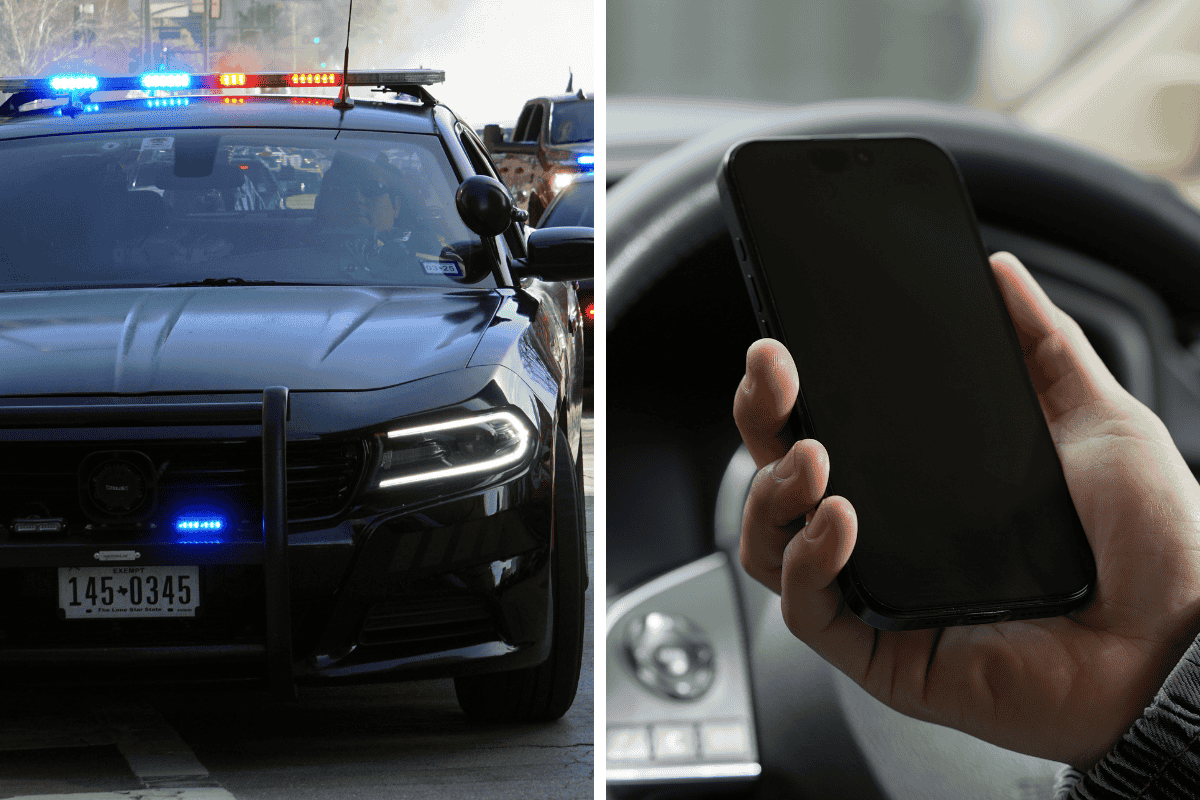
No dash cam-specific changes hit January 1, 2026; hands-free phone laws (expanded SB 100) indirectly heighten scrutiny during stops. Tickets for obstructed views run $20-50 as equipment violations, rarely escalating absent accidents.
Rural enforcement lags urban Louisville or Lexington patrols, but body cams verify compliance.
Best Practices
Opt for 1080p models with night vision, loop recording (overwrites old files), and G-sensors for crash locks. Test mounts weekly; angle to capture plates clearly without glare. Backup footage to cloud services immediately post-incident.
SOURCES:
- https://www.cessnageorge.com/using-dash-cam-footage-for-car-accident-claims-in-kentucky/
- https://apps.legislature.ky.gov/record/26rs/hb7.html