
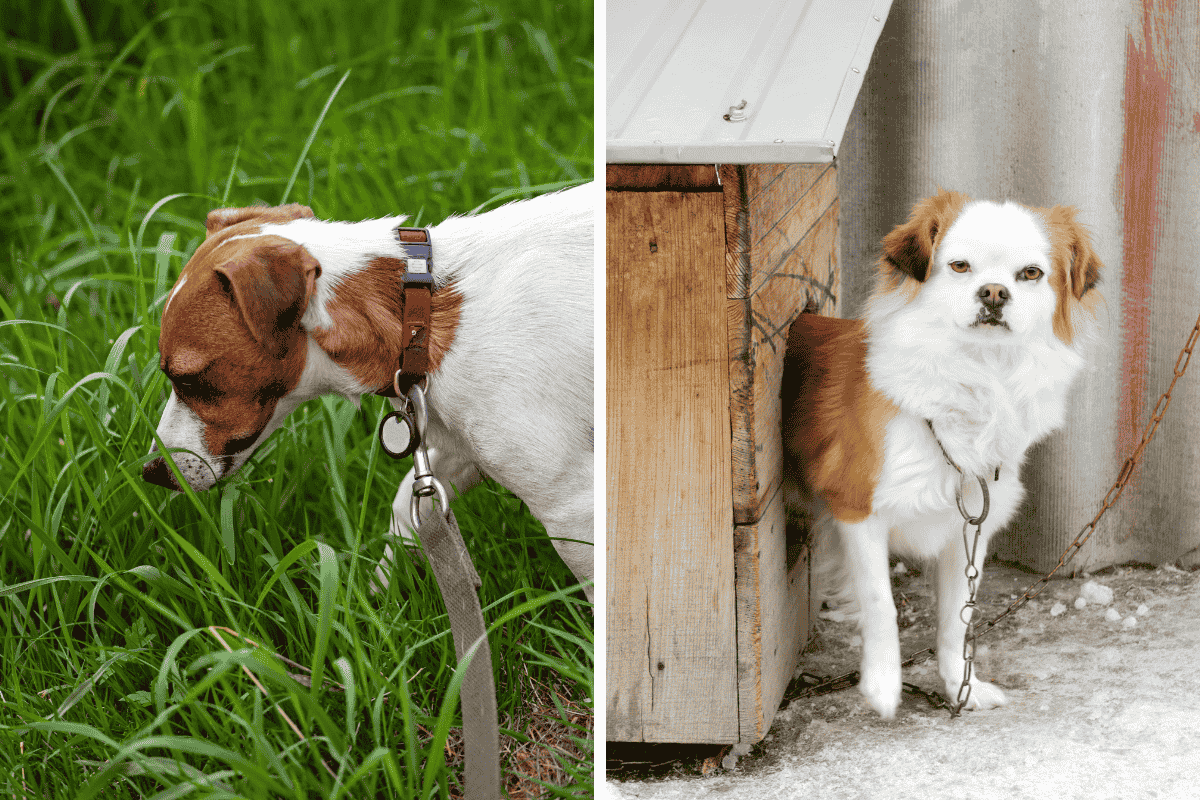
South Carolina lacks a statewide ban on leaving pets chained outside, but general animal cruelty laws (§ 47-1-40) prohibit neglect like inadequate shelter, water, or exposure to extreme weather.
Local ordinances in cities like Central, Georgetown, and others impose stricter tethering rules, often limiting time, requiring supervision, and mandating proper conditions to prevent violations. Responsible ownership hinges on humane treatment over outright prohibition, with penalties escalating for cruelty convictions.
Statewide Legal Framework
Under § 47-3-50, owners must restrain unruly dogs via fence, chain, or other means to protect others, but no blanket chaining ban exists. Cruelty statutes target mistreatment: chaining alone isn’t illegal if the pet has shade, unfrozen water, clean bedding, and isn’t left unattended excessively in heat above 85°F or cold below 40°F.
Violations qualify as misdemeanors (up to $1,000 fine, 30 days jail), rising to felonies for repeat or severe cases causing injury/death. Courts assess “reasonable care” based on breed, weather, and duration—overnight chaining without shelter often fails this test.
Local Ordinances Vary Widely
Municipalities enforce tighter rules absent state preemption. Central bans all tying/chaining on property outright (§ 3-60). Georgetown requires dogs over 6 months be visible to caretakers, with accessible shelter/food/water—no excessive unattended time.
Other areas like Edgecombe-like counties phase in compliance with warnings. Proposed bills like 2025-2026’s Humane Dog Breeding Act focus on breeders, not pet tethering, but signal momentum for statewide reform.
Conditions for Legal Chaining
Permissible setups prioritize welfare:
- Short-term (under 1-3 hours) for potty breaks.
- Heavy-duty chain/trolley (no choke collars), allowing 10-20 ft movement.
- Elevated shelter from rain/sun, insulated for cold.
- Fresh water, shade, and exercise breaks.
Large breeds need more space; puppies under 6 months get exemptions in some spots. Supervision within sight/sound remains key.
| Aspect | State Law | Common Local Rules [context] |
|---|---|---|
| Continuous Chaining | Not banned if humane | Often limited to 1-3 hrs |
| Shelter/Water | Required (§ 47-1-40) | Must be accessible/elevated |
| Weather Extremes | Prohibited exposure | No chaining in heat/cold |
| Penalties | Misdemeanor/felony | Fines $100-1,000 + seizure |
| Enforcement | Sheriff/animal control | Warnings then citations |
Enforcement and Risks
Animal control responds to complaints, issuing warnings before citations. Seizure occurs for imminent danger; owners prove care in hearings. Hot car laws parallel chaining—interior temps kill fast.
Insurance may void for neglect claims; HOAs add covenants. Travel note: Feds allow vehicle tethering under humane standards.
Best Practices and Alternatives
Opt for fencing, dog runs, or indoor time over chains. GPS collars track roamers safely. Groups like PETA advocate bans, pushing education over punishment.
SOURCES:
- https://www.peta.org/issues/animal-companion-issues/ordinances/central-south-carolina/
- https://www.scstatehouse.gov/sess126_2025-2026/bills/720.htm