Colorado police generally cannot search your phone during a routine traffic stop without your consent, a warrant, or specific legal exceptions like probable cause of a crime. The Fourth Amendment and Supreme Court rulings like Riley v. California protect digital privacy, requiring heightened justification for cell phone contents. Knowing these rights empowers drivers to respond calmly and protect their privacy during encounters.
Fourth Amendment Protections
The U.S. Constitution’s Fourth Amendment shields against unreasonable searches and seizures, applying strictly to phones due to their vast personal data. In Riley v. California (2014), the Supreme Court ruled police need a warrant to search a phone even incident to arrest, overturning prior vehicle search allowances. Colorado courts uphold this, treating phones differently from physical items during stops.
Traffic Stop Basics
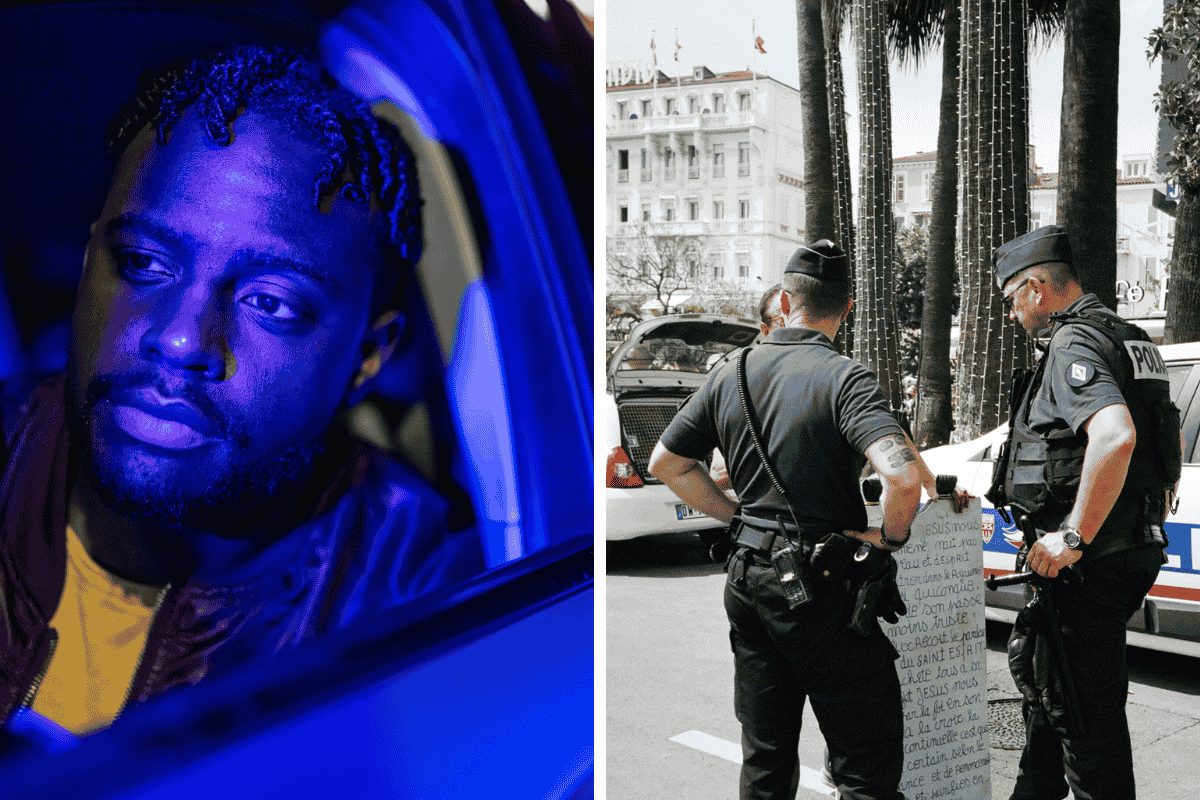
Officers require reasonable suspicion for a traffic stop, like speeding, but probable cause for arrests or vehicle searches. Phones remain off-limits unless linked to the stop’s purpose, such as evidence of DUI via recent texts. Prolonged detention beyond ticketing needs justification under Colorado Revised Statutes Section 16-3-103.
Consent and Exceptions
Voluntary consent waives warrant needs; politely decline by saying, “I do not consent to a search” to preserve rights. Exceptions include exigent circumstances like imminent evidence destruction or plain view crimes visible on the unlocked screen. Inventory searches post-arrest or border checks have limited phone access, but routine stops do not.
What Happens If Searched Illegally
Evidence from unlawful phone searches can be suppressed via a motion in court, potentially dismissing charges. Refusal alone does not create probable cause; coercion invalidates consent. Body camera footage and witness accounts strengthen challenges to violations.
Practical Steps During a Stop
Stay calm, provide license, registration, and insurance when asked, but limit conversation beyond basics. Roll down your window partially, keep hands visible, and record interactions if safe under Colorado’s public recording allowances. Request a supervisor if rights feel infringed, and consult an attorney post-stop.
Recent Colorado Context
No major 2026 changes alter Riley precedents; state laws align with federal standards amid ongoing privacy debates. Advocacy groups monitor enforcement, emphasizing education on digital rights during routine policing.
SOURCES:
- https://www.boulderdefenseattorney.com/challenging-probable-cause-in-a-traffic-stop-in-colorado/
- https://coloradospringscriminaldefense.net/your-rights-during-a-police-investigation-in-colorado/