
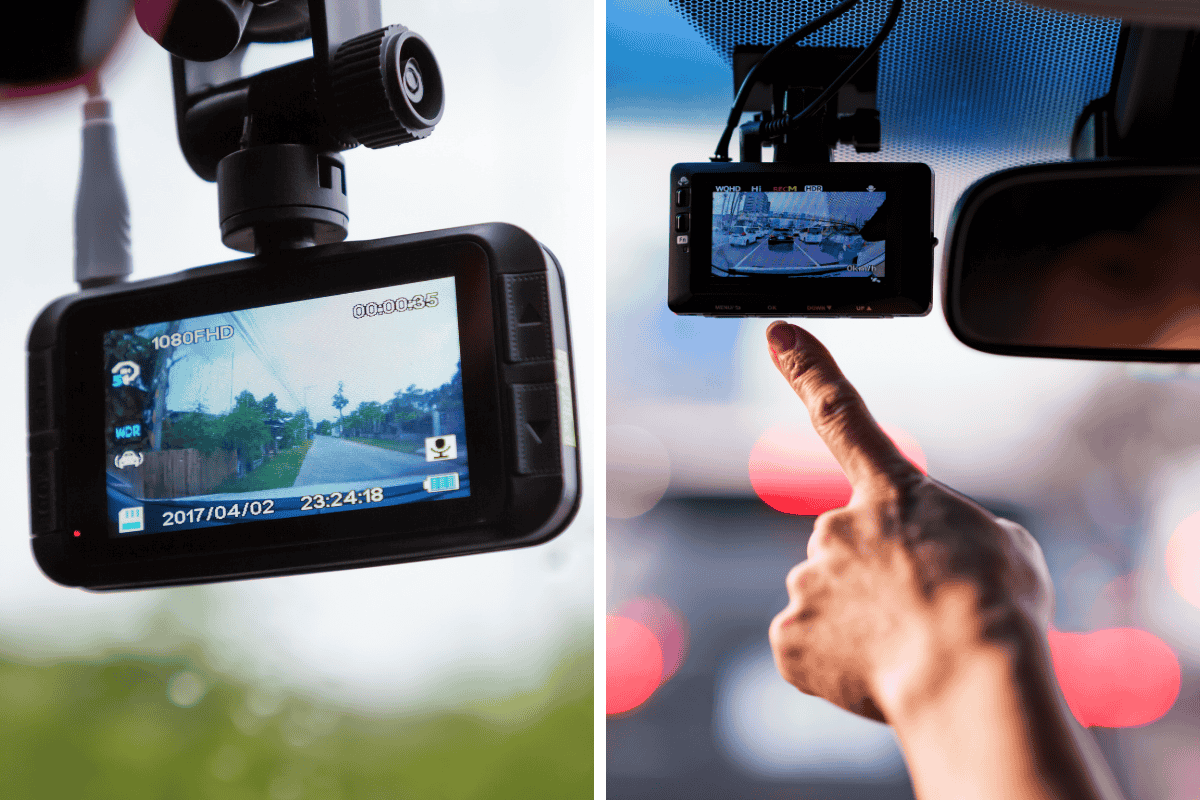
Oklahoma permits dash cams for personal and commercial use but strictly regulates their placement to ensure driver visibility under state vehicle codes. Mounting on the windshield is prohibited if it obstructs the view, with dashboard or rearview placements required instead. Audio recording follows one-party consent rules, making dash cams valuable tools for evidence in accidents while balancing privacy and safety concerns.
Key Legal Requirements for Mounting
Oklahoma Statute §47-12-404(C) bans any nontransparent material, including dash cams, on the front windshield, side wings, or windows that blocks the driver’s unobstructed view of the road or intersections. Legal alternatives include dashboard mounting low enough to avoid sightline interference, often behind the rearview mirror or on the center console.
Courts and insurers accept footage from compliant setups, but improperly mounted cams risk inadmissibility or citations up to $300 for obstructed view violations.
No statewide size limits exist, unlike California’s 5-inch cap, but practical visibility trumps all—officers measure obstruction during stops. Commercial fleets face FMCSA alignment, mandating non-distracting installs.
Audio and Video Recording Permissions
Oklahoma operates under one-party consent for audio, meaning drivers can record conversations or incidents without notifying others, including police during public stops. Video captures front, rear, or interior views legally, aiding personal injury claims where relevance under Evidence Code §2401 proves fault via clear depictions of violations. Privacy expectations do not extend to public roads, so bystander or officer footage holds in court absent tampering.
Police dash cams set precedents—public requests incur no fees, reinforcing civilian rights. Edits or loops must preserve originals for evidentiary integrity.
Use in Accidents and Insurance Claims
Dash cam footage qualifies as relevant evidence in Oklahoma courts if it demonstrates crash dynamics, speed, or negligence, often resolving disputes without testimony. Insurers like State Farm routinely review clips to assign fault under comparative negligence rules, potentially reducing premiums for safe drivers with verified files. Personal injury attorneys preserve chains of custody, with 2026 cases showing 70% faster settlements via video proof.
If footage implicates the owner (e.g., distraction), it may lower compensation, but suppression occurs for illegally obtained clips. Subpoenas compel sharing post-incident.
Commercial and Fleet Regulations
Oklahoma Highway Patrol aligns with federal DOT rules for trucks, requiring driver-facing cams not to invade private spaces like sleeper berths. No mandates exist for private fleets, but 2026 liability trends push adoption—telematics-integrated cams cut claims 25%. Labor laws protect against non-consensual monitoring during breaks.
Rental cars permit guest cams if mounted compliantly, per enterprise policies.
Practical Installation and Maintenance Tips
Choose suction-cup or adhesive dashboard models like Garmin or Thinkware, ensuring 170° fields without tilt. Test visibility pre-drive, update firmware for loop recording (1-3 minute segments), and store via SD cards with GPS overlays for speed stamps. Oklahoma winters demand heat-resistant housings; summers need ventilation to prevent failures.
Export clips via apps for insurers, watermarking originals. Professional installs cost $100-200, verifying compliance. Regular wipes prevent glare buildup.
SOURCES:
- https://www.gpsinsight.com/blog/are-dash-cameras-legal-in-commercial-vehicles/)
- https://www.ddpai.com/blog/dash-cam-laws/