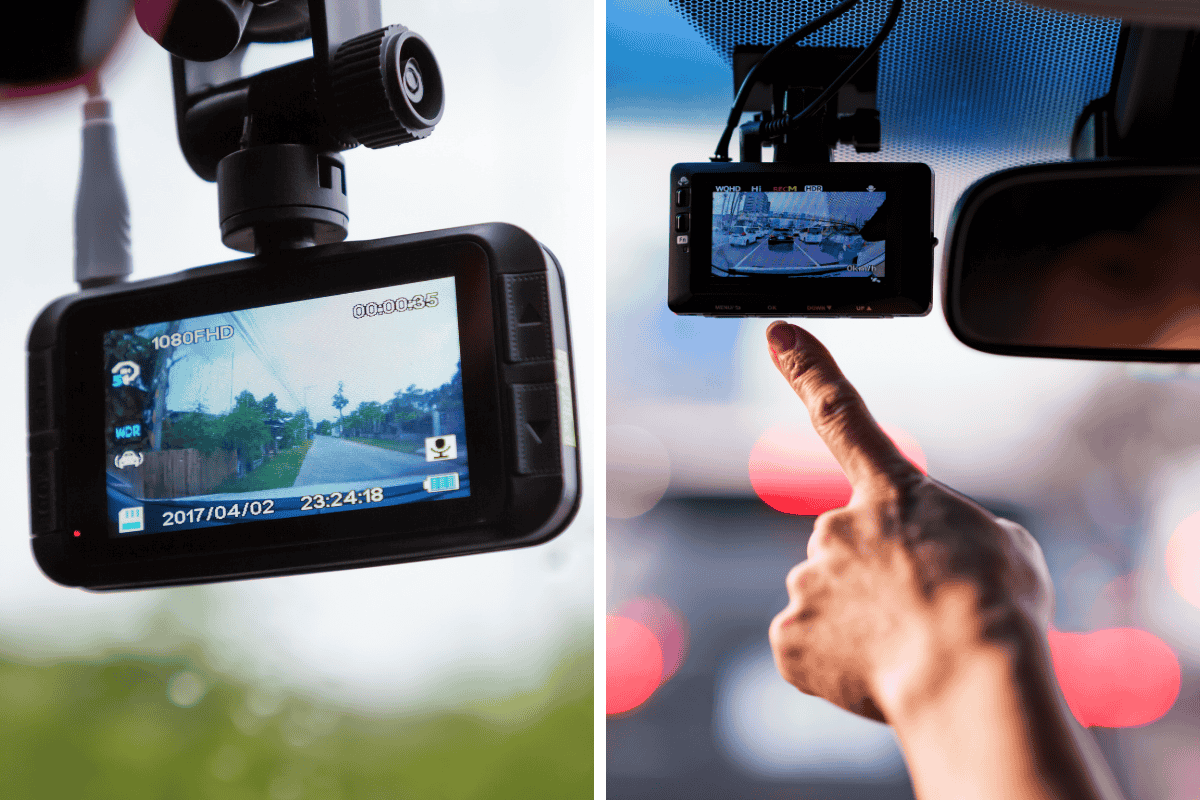
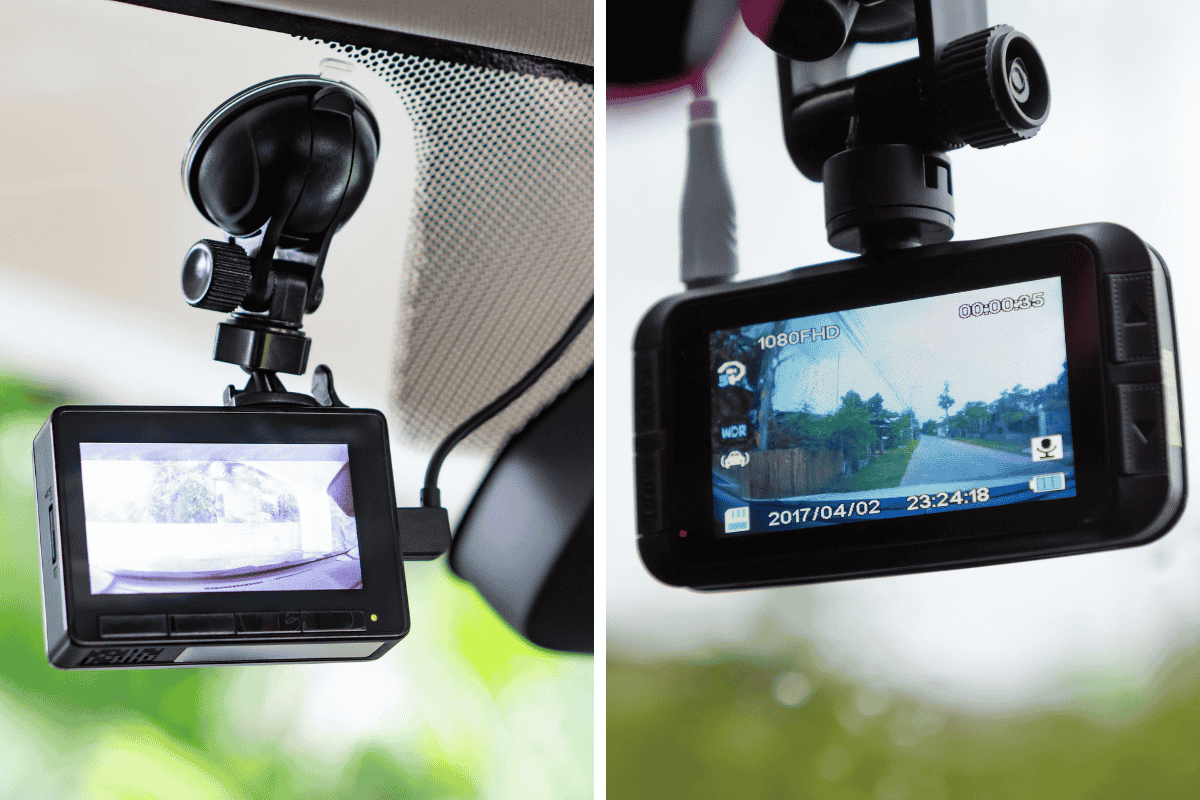
Utah permits dash cams with clear placement rules focused on driver visibility, allowing windshield mounting under strict size and position limits. No state law bans their use, recording, or ownership, reflecting a permissive stance amid rising adoption for insurance claims and road disputes. Drivers benefit from footage in accidents, but compliance prevents tickets or inadmissibility.
Windshield Mounting Rules
Utah Code § 41-6a-1641 prohibits video displays visible to the driver that obstruct the view, but dash cams qualify as exceptions if mounted correctly. Windshield placement allows up to four inches downward or outward from the top center, typically behind the rearview mirror. Driver-side cams must stay in the lower corner without blocking sightlines; larger units risk infractions under obstructed glass statutes.
Dashboard or rearview mounts prove safest alternatives, avoiding tint or wiper interference. Rear cams face no restrictions, aiding parking evidence. No blade length or tech specs regulate beyond visibility—4K, dual-channel systems comply if positioned right.
Audio Recording Consent
Utah operates as a one-party consent state for audio, meaning drivers record conversations legally without notifying passengers. Vehicle interiors count private, but public road footage holds in court. Disable audio if ferrying minors or sensitive riders to sidestep eavesdropping claims. Commercial fleets note FMCSA alignment—no extra hurdles for driver-facing cams.
Privacy suits arise rarely; signs or verbal notices enhance ethics without legal need.
Prohibited Uses and Locations
No bans on police interactions, speed cams, or insurance submissions—footage proves negligence effectively. Schools, courthouses, and federal sites bar recording via federal rules. Tampering (e.g., selective edits) voids evidentiary value; raw files timestamped best.
Drones or body cams differ; vehicle-only focus here. No 2026 changes emerged post-January laws.
Commercial and Fleet Regulations
Trucks over 10,000 lbs follow same visibility rules; ELDs integrate dash cams seamlessly. Insurers like Geico offer discounts (5-15%) for verified footage, mandatory in rideshares. Workers’ comp claims leverage cams for dashcam-proven safety.
Enforcement and Penalties
Highway Patrol tickets obstructions as infractions ($50-200 fines, no points typically). Courts admit compliant footage universally; suppressed if illegally mounted. Appeals succeed with photos proving non-obstruction.
Urban Salt Lake City scrutinizes more than rural I-15 stretches.
Installation Best Practices
Choose ADAS-enabled cams with G-sensors, parking modes. Professional installs ensure angles; suction cups beat adhesives on rentals. Loop 1080p at 1-3 minutes; cloud backups secure data. Update firmware yearly—no Utah hacks reported.
Test visibility pre-drive; angle 15-30 degrees downward.
Insurance and Legal Benefits
Claims resolve 30% faster with video; fault disputes drop 40% per IIHS studies. No-fault states value objective proof; Utah’s comparative negligence amplifies utility. Share responsibly—public posts risk defamation sans context.
SOURCES:
- https://matrackinc.com/dash-cam-laws-by-states/
- https://www.gpsinsight.com/blog/are-dash-cameras-legal-in-commercial-vehicles/