
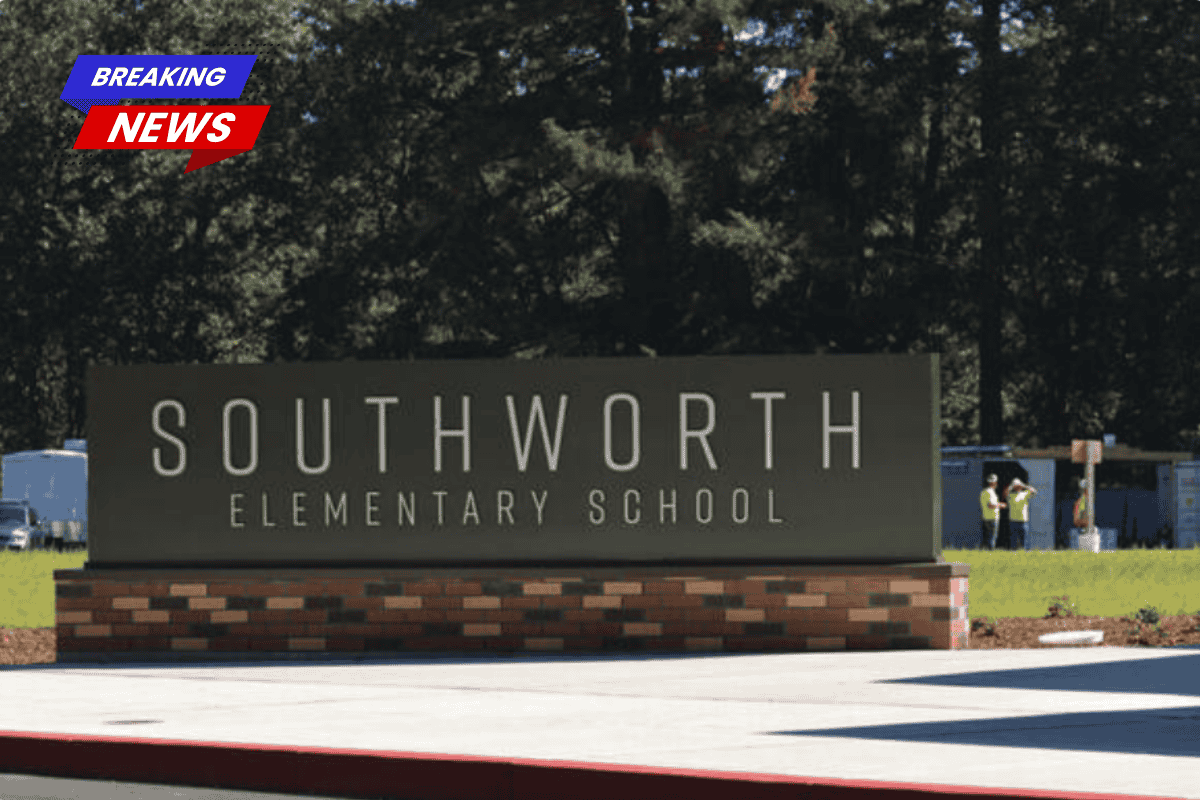
In a powerful and heartfelt speech, Tiffany Lintz, a dedicated teacher at Southworth Elementary School in Yelm, made a passionate case for the value of “specialist” courses in schools. Speaking before the Yelm Community Schools Board of Directors and Superintendent Chris Woods on January 8, she urged the district to continue supporting music, art, physical education (PE), and technology at the elementary level—not just as extras, but as essentials.
Why Specialist Subjects Matter in Schools
Lintz, now in her seventh year of teaching, believes that courses like music, art, PE, and technology are more than just fun breaks in a student’s day. According to her, these subjects play a key role in helping children feel like they belong and can succeed—especially students who struggle with traditional academics or face language barriers.
She shared a personal story to drive home her point. Her husband, adopted from the Philippines at age six, entered the U.S. school system without speaking any English and also had learning disabilities. In regular classrooms, he often felt lost. But in the music room, he found rhythm. In art, he could express himself. In PE, he learned teamwork. And in technology, he discovered tools that helped him learn in ways that worked for him.
“These subjects were universal,” Lintz explained. “They did not require a perfect grasp of English grammar, only creativity, movement and logic—traits that every child possesses regardless of their background.”
Supporting Brain Development and Equity
Beyond emotional connection and confidence-building, Lintz pointed out the scientific and educational benefits of specialist subjects:
- Music and arts help develop healthy brain function, pattern recognition, and emotional expression—especially important for students with learning disabilities.
- PE allows students to regulate their sensory systems, which is often vital for staying focused throughout the school day.
- Technology enables access to adaptive tools that support all kinds of learners, especially those who struggle with traditional pencil-and-paper methods.
In her words, “Digital literacy is a civil right in the 21st century.”
The Impact on Students Who Feel Invisible
Lintz made a strong emotional appeal, noting that students who don’t shine in math or reading often find their first sense of success and confidence in specialist classrooms. These are the subjects, she said, that help students realize they are intelligent, talented, and valued—regardless of how they perform on standardized tests.
“If you truly want to be a district where every child belongs,” she told the board, “we must value the subjects that catch the students who feel invisible in the standard textbook.”
A Call to Empower Every Student
Ending her speech with a clear message, Lintz asked district leaders to see beyond test scores and think about the bigger picture of student growth. It’s not just about teaching kids to pass exams, but about giving them tools to find their voice, express themselves, and feel seen—especially in a world that may not always speak their language.
Through her advocacy, Lintz is challenging schools to rethink what truly matters in education. By supporting arts, PE, and tech in elementary schools, she believes we can build a more inclusive and empowering environment for all students.