
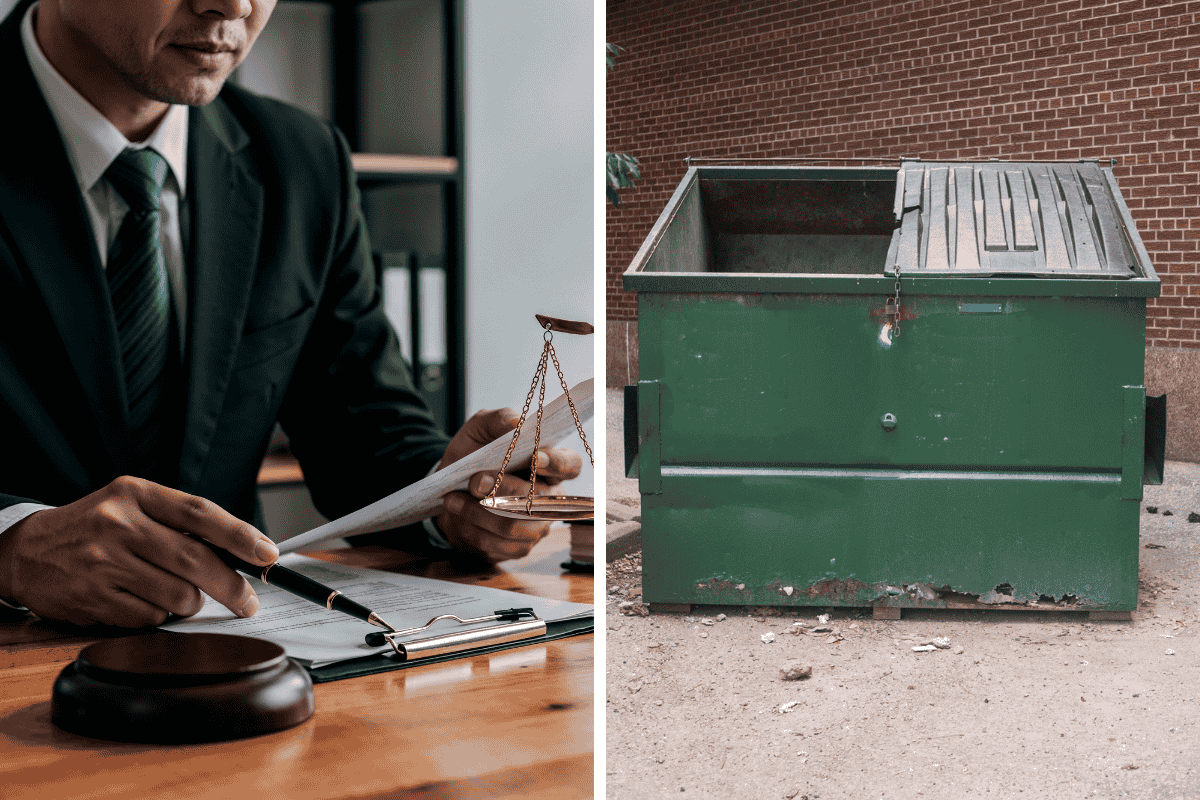
Dumpster diving remains legal in Alabama absent specific state prohibitions, hinging instead on trespassing statutes and local ordinances that govern property access.
Once items hit public trash receptacles or curbside bins, they enter the public domain, free for retrieval without theft claims under common U.S. precedents like California v. Greenwood. Major cities such as Birmingham, Montgomery, Huntsville, and Mobile permit the practice on public property, though private dumpsters demand owner permission to avoid misdemeanor charges.
Statewide Legal Framework
Alabama Code lacks any statute outright banning dumpster diving, classifying it as neither theft nor littering when targeting discarded goods. Trespassing under §13A-7-2 constitutes the primary risk: entering fenced, signed, or private areas without consent qualifies as third-degree criminal trespass, punishable by up to 90 days in jail and $300 fines. Public sidewalks, alleys, or apartment complex exteriors fall into safer territory if no barriers exist.
Courts view abandoned waste as relinquished property, echoing 1988 Supreme Court rulings that trash loses ownership protections once collected. No 2026 updates altered this; new laws target unrelated issues like traffic and taxes.
City-Specific Regulations
Birmingham imposes no explicit bans, but respect store “No Trespassing” signs around retail dumpsters like Walmart or grocery outlets. Montgomery mirrors this leniency, allowing curbside dives while prohibiting private lot entries. Huntsville lacks restrictions, though police respond to owner complaints in shopping centers.
Auburn stands out with a 2016 ordinance fining dumpster rummaging or curb trash picking at $250 first offense, $400 subsequent, aimed at bulk waste days. Mobile follows general state rules, emphasizing public access over private. Always scout signs and hours; chains like Dollar General yield food hauls legally from exteriors.
Private vs. Public Property Rules
Public dumpsters—at parks, streets, or visible alleys—invite diving without repercussions, barring local health codes on food scraps. Private ones behind fences, gates, or “No Dumping” placards trigger trespass if climbed or opened, even unlocked. Permission from managers transforms risks into opportunities, especially at restaurants discarding baked goods post-close.
Leaving messes invites citations under littering laws (§13A-7-29), escalating to misdemeanors with $1000 fines. Clean up, repack waste neatly, and avoid blocking access.
Best Practices for Legal Diving
Scout during daylight, post-business hours around 8-10 p.m., when bins overflow legally. Wear gloves, sturdy shoes, headlamp, and first-aid kit against glass, needles, or biohazards. Target groceries for produce/bread, bakeries for day-olds, and retail for electronics—avoid fast food due to grease slicks.
Use apps like TrashWiki or Reddit’s r/DumpsterDiving for Alabama spots; early mornings snag pre-collection gems. Night dives carry no extra illegality but heighten suspicion in residential zones.
Enforcement and Real-World Experiences
Encounters prove rare absent complaints; police issue warnings over arrests for first-timers who comply. Retailers like Kroger post signs but rarely prosecute tidy divers; Auburn enforces strictly during cleanups. Fines hover $100-500, jail minimal unless priors exist.
Homeless advocates note discretion favors non-disruptive scavengers, aligning with food rescue movements reducing waste amid 20% grocery discards.
Health and Safety Considerations
Tetanus shots stay current; avoid sealed bags with chemicals or medical waste under OSHA biohazard rules. Wash finds thoroughly; cook meats despite “freegan” appeals. Rodents, insects, and sharp edges demand caution—divers report $50 nightly hauls safely.
Responsible acts promote sustainability, diverting landfill tons yearly.
Alternatives and Ethical Angles
Food pantries, Buy Nothing groups, and Freecycle offer permission-based grabs. Businesses increasingly donate via apps like Too Good To Go, sidestepping legal gray zones. Ethical divers prioritize need over greed, sharing community Facebook groups for spots.
SOURCES:
- https://detectingtreasures.com/dumpster-diving-in-alabama/
- https://www.worldlawdigest.com/usa/is-dumpster-diving-legal-in-alabama