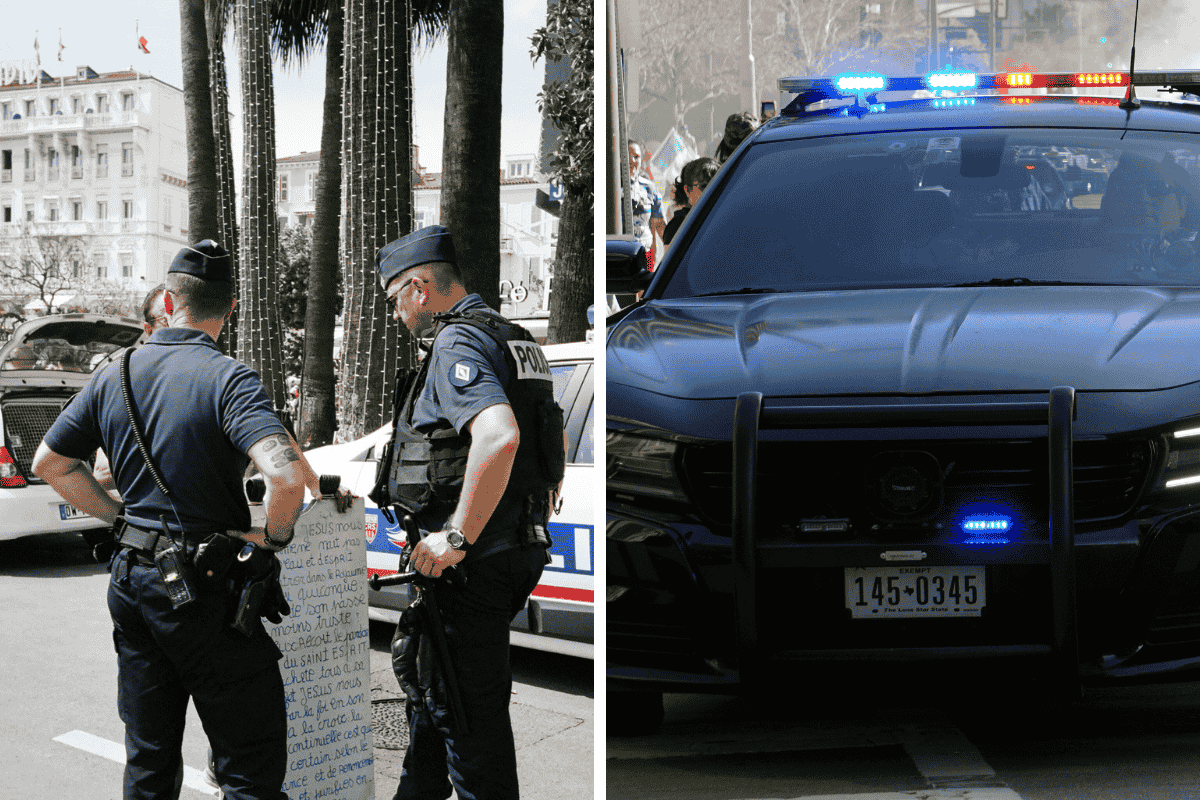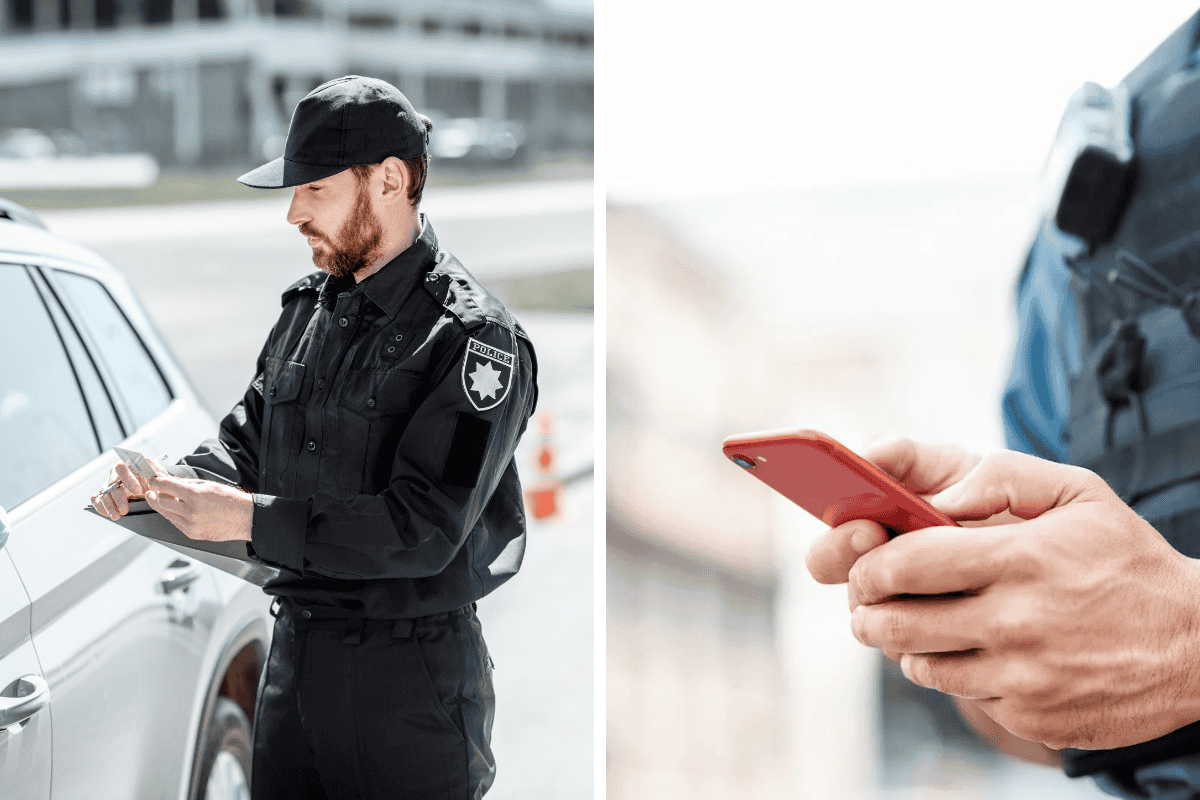

Kentucky police generally cannot search your phone during a routine traffic stop without a warrant, consent, or specific exceptions tied to probable cause.
The Fourth Amendment and U.S. Supreme Court rulings like Riley v. California (2014) protect digital privacy, requiring judicial oversight for device contents even post-arrest. This article details Kentucky-specific rules, rights, and scenarios as of early 2026, empowering drivers with actionable knowledge.
Constitutional Protections Overview
The Fourth Amendment bars unreasonable searches, extending to cell phones as personal repositories of vast data—texts, photos, locations—far beyond traditional wallets. Riley v. California unanimously held that warrantless phone searches incident to arrest violate this right, mandating warrants for contents despite officer safety concerns. Kentucky courts uphold this federally, rejecting “quick peek” doctrines from pre-smartphone eras.
Kentucky’s Constitution (Section 10) mirrors federal safeguards, with state supreme court precedents like Simpson v. Commonwealth (2015) affirming digital privacy. Traffic stops, governed by Terry v. Ohio principles, limit intrusions to stop duration unless prolonged by reasonable suspicion of unrelated crimes. Officers may seize phones briefly for inventory if arrested, but unlocking or browsing demands judicial approval.
Traffic Stop Specifics in Kentucky
Routine stops for speeding or taillights allow license checks and warnings under KRS 189.290 et seq., but not phone demands. Officers lack automatic access; asking for your device tests consent, which drivers can refuse politely: “I do not consent to searches.” Prolonged detention for phone scrutiny risks suppression of evidence if challenged.
Kentucky State Police guidelines emphasize de-escalation, with body cams capturing refusals. Distracted driving laws (KRS 189.292) ban texting but permit calls or GPS; visible phone use might justify impoundment for investigation, yet contents remain off-limits without cause. The proposed Phone Down Kentucky Act (2026 session) expands hands-free mandates but does not alter search rules.
Exceptions Allowing Phone Access
Consent overrides warrants—verbal agreement lets officers browse, so clarify “Officer, am I free to go?” before handing over. Probable cause, like plain-view drug evidence or DUI signs, justifies vehicle searches (Carroll doctrine), potentially extending to phones if linked (e.g., drug-sale texts during trafficking probe).
Exigent circumstances—imminent evidence destruction—rarely apply post-Riley, needing court validation. Post-arrest, phones get inventoried but not unlocked forcibly without warrants; biometrics (fingerprint/face ID) cannot be compelled voluntarily, though warrants may order it. Breathalyzer refusals do not unlock phones.
Practical Rights During Stops
Stay calm, roll down window partially, provide license/registration/insurance. Silence on whereabouts or passengers is protected; Mirandarise triggers only for custody. Refuse field sobriety if no probable cause, and never unlock devices—say, “You’ll need a warrant.”
Dash cams and passenger recordings bolster appeals. If searched illegally, note details for suppression motions; Kentucky violated-rights suits recover attorney fees via KRS 446.070. Legal aid from Kentucky Legal Aid aids low-income challenges.
Case Studies and Enforcement Trends
2025 Louisville Metro cases dismissed evidence from warrantless phone peeks during marijuana stops, citing Riley. Rural posts like KSP Post 1 enforce checkpoints (KRS 17J.155) but train on privacy post-2024 audits. Urban upticks tie to fentanyl probes, where texts provide probable cause via independent corroboration.
Nationally, 30% of stops involve phone requests per ACLU data; Kentucky aligns below average due to strong bar precedent.
Suppression and Remedies
Illegal searches yield “fruit of the poisonous tree”—evidence excluded, cases dropped. File motions pre-trial; prevailing parties sue for damages under 42 U.S.C. §1983. Apps like Mobile Justice auto-upload videos. Defense attorneys average 70% suppression success in gray-area stops.
Best Practices for Drivers
Lock phones remotely if seized. Use passcodes over biometrics. Know stops average 8-15 minutes; delays signal escalation—request supervisor. Post-incident, photograph gear and consult counsel within 24 hours.
SOURCES:
- https://kysenaterepublicans.com/press-releases/2025/11/4/higdon-to-introduce-phone-down-kentucky-act-during-2026-legislative-session
- https://www.hoffmanlawyer.com/your-rights-during-a-traffic-stop-in-kentucky