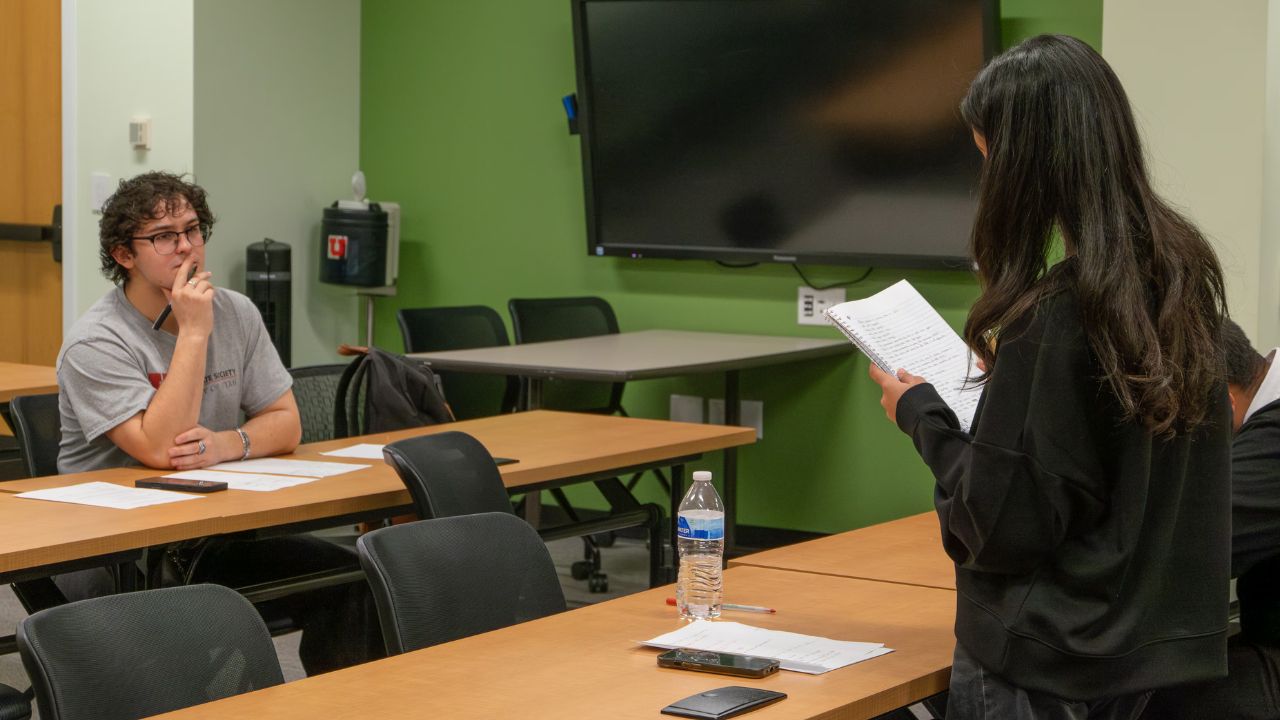
A debate competition at the University of Utah recently showcased the remarkable skills and voices of refugee teens, underscoring their potential and empowering them to engage in meaningful conversations. Bom, 17, from North Korea, and Anna, 15, from Ukraine, were among the top competitors, having worked tirelessly to reach the final round after hours of debates, besting 13 other participants.
The Debate: Carbon Tax in the U.S.
The final topic they faced: establishing a carbon tax in the United States. Bom argued strongly in favor of the tax, emphasizing that without government intervention, no one would take responsibility for halting emissions. “Here’s the biggest point,” Bom explained, “No companies or anyone will try to take the responsibility or volunteer to stop emissions without a policy or government intervention.” On the other hand, Anna countered, asserting that such a tax could result in global tariffs, potentially destabilizing the economy.
This debate was not just a competition; it was a culmination of 10 weeks of hard work. The Refugee Community Debate League, which organizes these events, is dedicated to helping refugee teens build their communication skills and confidence. Khadija Kele, the youth coordinator of the Department of Workforce Service’s Refugee Services Office, has witnessed firsthand the transformative power of debate for these young participants, many of whom arrived in Utah as refugees. “They’re the ones wanting to have these challenging conversations,” Kele shared. “They’re pushing others to have these conversations.”
The Refugee Community Debate League: Building Skills and Voices
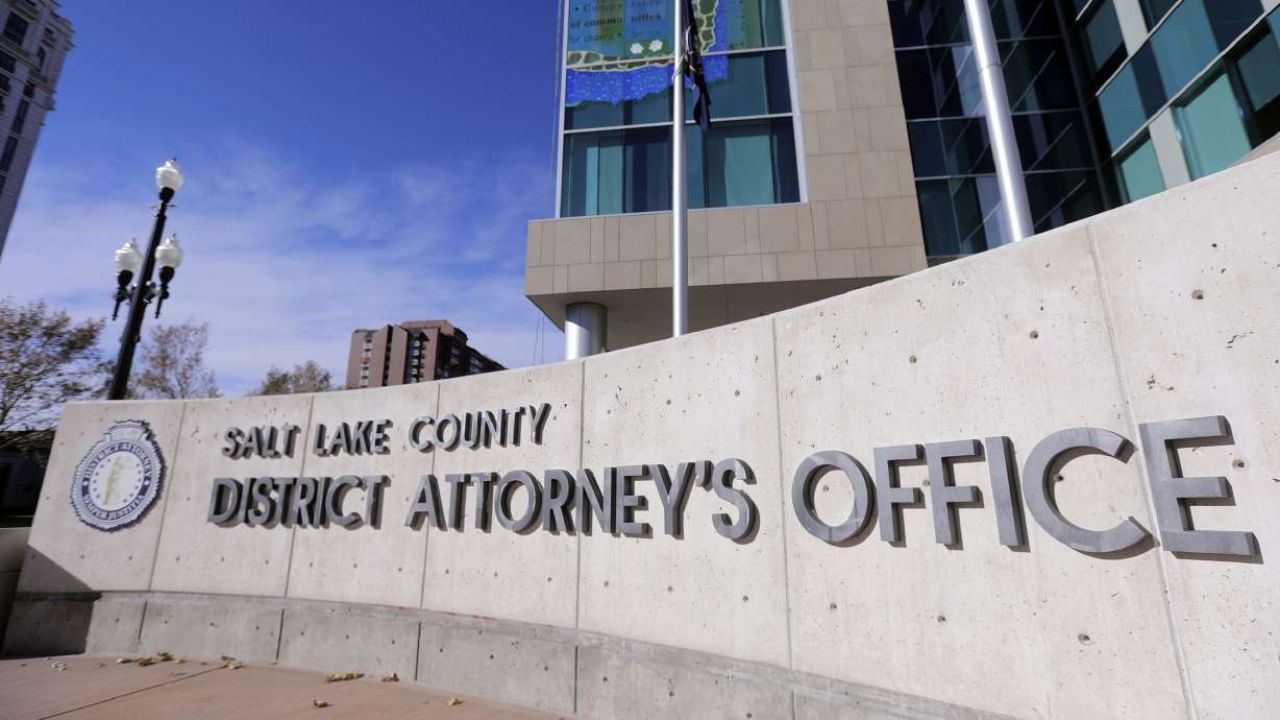
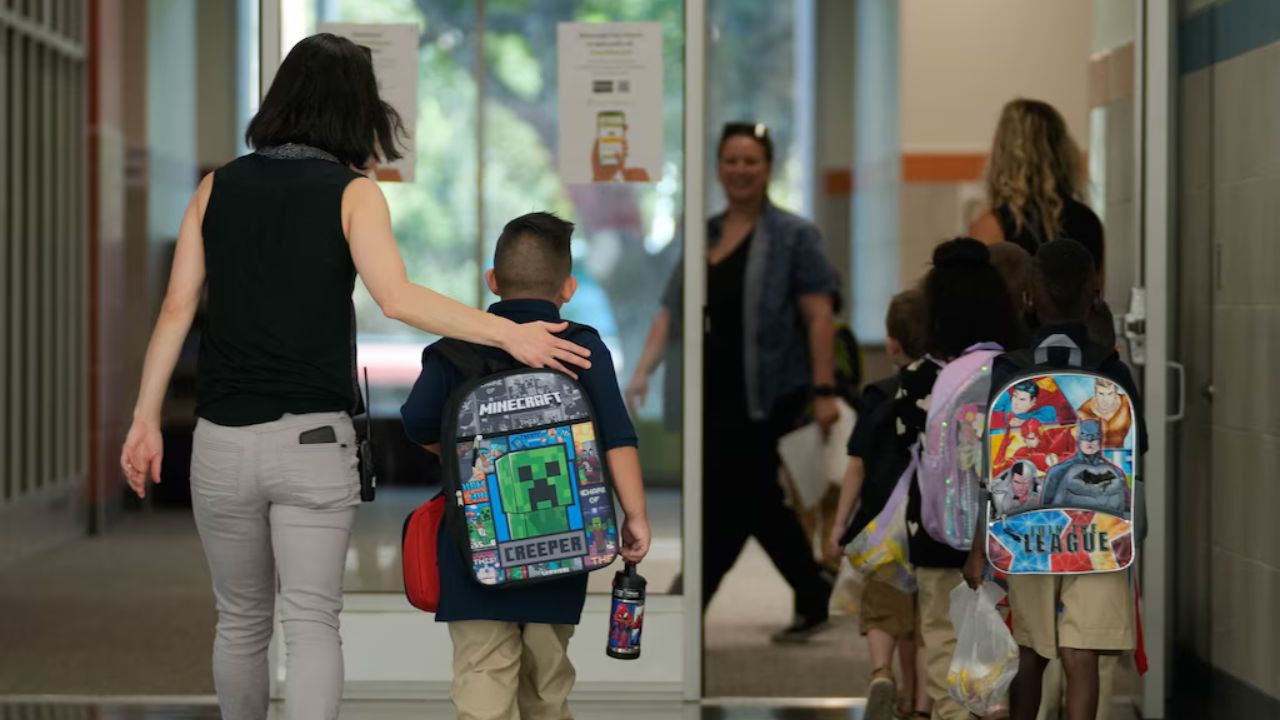
Founded in 2022, the Refugee Community Debate League was established by the University of Utah’s Department of Communication and John R. Park Debate Society, in collaboration with the state’s Refugee Services Office. The league aims to teach debate and argumentation to middle and high school refugees in Utah. With over 21,500 refugees resettling in Utah over the past 27 years, the program provides these teens with a platform to express their views and develop essential life skills.
The league, which runs in both the spring and fall semesters, offers students more than two months of training, focusing on research skills, case building, and presentation. This year, students participated in debates around critical topics such as universal basic income, capitalism, and carbon taxes. The program encourages students to engage with complex and controversial issues, fostering the development of critical thinking and advocacy.
Impact of the Debate League on Refugee Students
Research supports the positive outcomes seen by the students in this program. According to a 2019 study in Educational Research and Reviews, high schoolers who participated in debate were 28% more likely to enroll in a four-year university. Additionally, a 2021 study from the University of Michigan found that debate students had higher average GPAs and stronger SAT scores compared to their peers.
Alya Al Mashhadani’s daughter, Basma, is one such success story. Al Mashhadani’s family moved to the U.S. from Iraq in 2013, and she emphasizes how important programs like the debate league are for refugee youth. “People see refugees like they don’t have enough knowledge or underestimate them,” Al Mashhadani said. “But that doesn’t mean we are not capable.”
Building Confidence and Shaping Futures
Khadija Kele notes that many students initially struggle with self-doubt. However, over the weeks of the debate program, they begin to recognize their own strengths and potential. “A lot of times, people only see refugee kids as ‘Oh, the poor refugees,’” Kele explained. “But this gives them an opportunity to put themselves out there and leave the label behind.”
Vockel, assistant director of forensics at the University of Utah, agrees that building arguments helps students see the world through a critical lens, forming their own opinions, and advocating for issues they believe in. The program not only empowers refugee youth but also provides them with valuable opportunities, such as free college credit for students in ninth grade and higher.
Education and Opportunity for Refugee Students
The program also addresses higher education gaps by providing refugee students with access to college credit. For many refugee families, immediate needs often take precedence over long-term educational goals. By offering these resources, the Refugee Community Debate League aims to make education more accessible and provide students with the tools they need to succeed.
Students who make it to the final round of the debate receive a $1,500 scholarship to the University of Utah, and the winner is awarded a new laptop, further motivating students to continue pursuing their academic and professional goals.