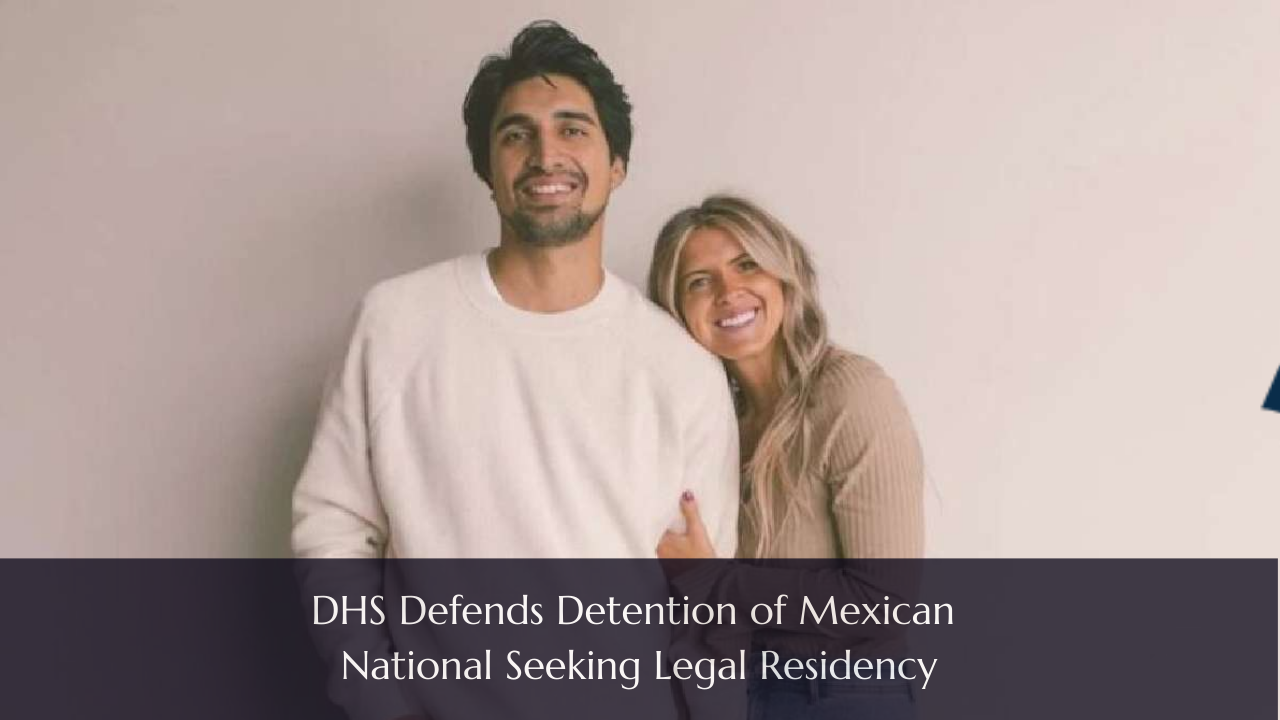
The Department of Homeland Security has issued a forceful defense of its recent arrest of a Mexican national who was detained during a routine immigration appointment in Salt Lake City, as newly released juvenile court documents provide additional context to the controversial case.
Background of the Detention
Jair Celis, a 29-year-old Mexican national, was taken into custody last week while attending a scheduled meeting at the U.S. Citizenship and Immigration Services office. The appointment was part of his ongoing application process for legal permanent residency in the United States.
The arrest occurred at the facility located at 660 South 200 East in Salt Lake City, where immigrants routinely appear for appointments related to their immigration status adjustments. The detention has raised concerns among immigrant advocacy groups about enforcement tactics at locations where individuals are attempting to comply with immigration procedures.
Official Response and Controversy
Tricia McLaughlin, assistant secretary for public affairs at the Department of Homeland Security, defended the agency’s actions and public statements regarding the case. In communications with media outlets, McLaughlin provided documentation she characterized as criminal records related to allegations from 2014, when Celis was 17 years old.
The department’s social media posts described Celis using harsh language and referenced historical allegations involving a minor. McLaughlin stated the agency believes it was appropriate to publicize these details, arguing that the information justified the enforcement action.
Immigration and Customs Enforcement initially cited visa overstay as the reason for Celis’ detention. According to officials, Celis entered the United States in July 2007 at age 10 on a visa that has since expired.
Legal Context and Juvenile Records
Court documents from Utah’s 3rd District Juvenile Court reveal that Celis was involved in a juvenile case that concluded in February 2015. The records show he was adjudicated for lewdness involving a child under 14, which would be classified as a class A misdemeanor if charged against an adult.
Legal experts note important distinctions between juvenile adjudications and adult criminal convictions. Salt Lake attorney Greg Skordas explained that juvenile proceedings are fundamentally different from adult criminal cases. They do not result in criminal records, do not include the right to jury trial, and use different terminology where minors “admit or deny” allegations rather than plead guilty or not guilty.
According to court documents, Celis completed a psychosexual education program designed for low-risk offenders, paid a $150 fine, and was released from home detention. Another allegation was dismissed as part of plea negotiations.
Attorney Response
Adam Crayk, representing Celis, has strongly contested the government’s characterization and public statements. He argues that because the matter was handled through juvenile court, it should not be considered relevant to Celis’ current immigration proceedings. Crayk has indicated he is exploring potential legal action against the Department of Homeland Security for what he considers defamatory statements.
Celis is currently married to an American citizen, which can provide a pathway to legal residency under U.S. immigration law.
Broader Immigration Enforcement Context
The detention has occurred amid heightened immigration enforcement activities under the Trump administration. On Monday, immigrant advocacy groups organized a demonstration outside the Citizenship and Immigration Services offices in Salt Lake City, expressing concern about what they perceive as increased enforcement actions at facilities where immigrants attend appointments to regularize their status.
Advocates have raised questions about whether enforcement at immigration service centers, where individuals are voluntarily engaging with the system, could discourage others from attempting to obtain legal status through proper channels.
Current Status
Celis remains in custody at the San Luis Regional Detention Center in San Luis, Arizona, near the Mexican border. A hearing in his immigration case is scheduled for Friday, where his legal team will argue his case before an immigration judge.
The case has drawn attention to ongoing debates about immigration enforcement priorities, the relevance of juvenile records in deportation proceedings, and the appropriateness of government communications regarding individuals in immigration custody.
What This Means for Immigration Cases
Immigration attorneys note that while adult criminal convictions can significantly impact immigration cases, juvenile adjudications are typically treated differently. However, immigration law remains complex, and various factors can influence outcomes in removal proceedings.
The case highlights tensions between immigration enforcement objectives and concerns about due process, particularly when individuals are actively seeking to comply with immigration requirements through legal channels.
As the Friday hearing approaches, the outcome could have implications for how similar cases are handled and what role, if any, juvenile court matters should play in adult immigration proceedings.