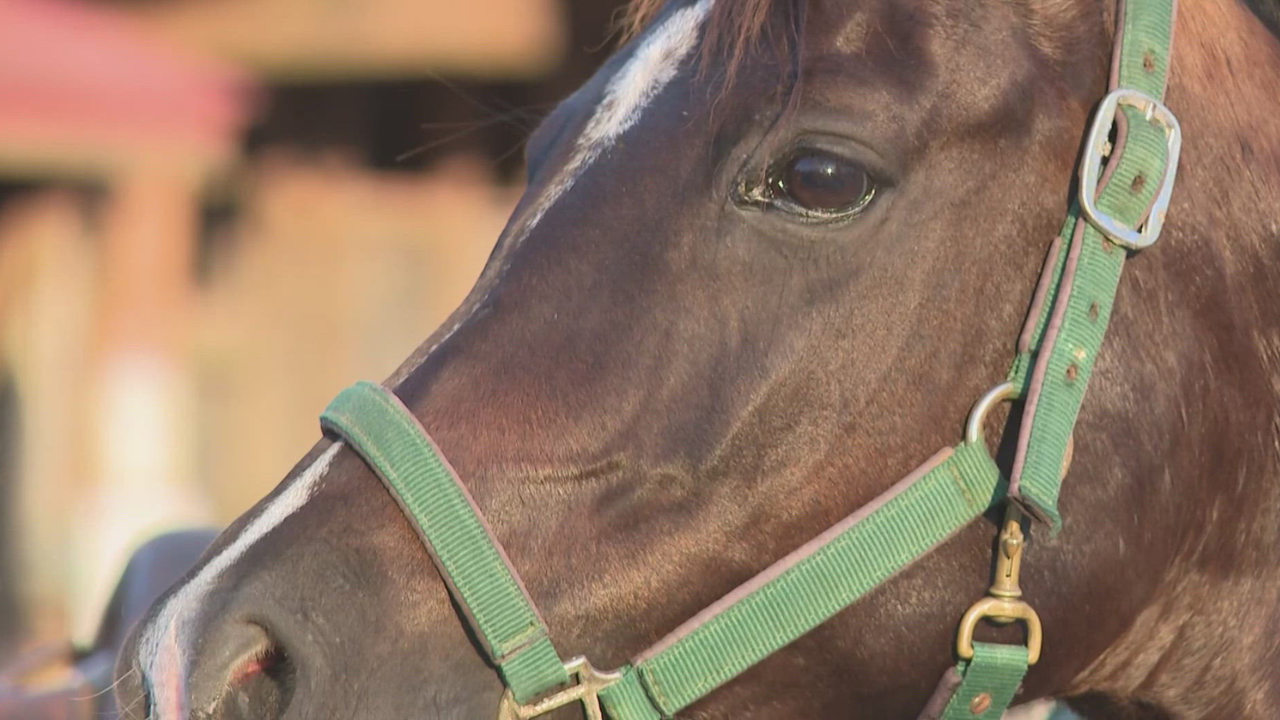
An outbreak of Equine Herpesvirus Type 1 (EHV-1) detected after a major barrel-racing competition in Texas has sparked widespread concern among veterinarians, trainers and wild-horse advocates just days before the National Finals Rodeo (NFR) in Las Vegas.
Virus Detected in Hundreds of Stalls After Texas Event
The issue surfaced at a barrel-racing event in Waco, Texas, where veterinarians identified EHV-1 in nearly 600 stalls, according to officials with the U.S. Equestrian Federation. Multiple horses were euthanized due to complications, and at least one death has been confirmed.
Advocacy groups say the scope of the outbreak is troubling.
“It’s very concerning, both for domestic horses and wild horses,” said Linda Wallace, who leads the Oregon Wild Horse Organization, a national advocacy group monitoring outbreaks in the West.
Silent Spread Among Horses Heightens Concerns
Veterinarians warn that EHV-1 is particularly difficult to track because some infected horses show no visible symptoms, yet can still transmit the virus.
“There are horses testing positive without clinical signs, and they can be spreading it,” said Karl Hoopes, veterinarian and Equine Extension Specialist at Utah State University.
Early symptoms may include fever, nasal discharge, coughing, and low energy. In more severe neurological cases, horses may experience hind-limb weakness, swollen legs, or urine dribbling, Hoopes noted.
For additional background on EHV-1 and equine infectious diseases, readers can refer to the American Association of Equine Practitioners.
Potential Impact on the National Finals Rodeo
With thousands of horses and spectators expected for the NFR in Las Vegas, the timing of the outbreak has created anxiety across the rodeo and equine industries.
Hoopes warned that even a small outbreak linked to the event could deliver a significant economic blow.
“Imagine if the NFR doesn’t happen,” he said. “The ripple effect on Las Vegas and the rodeo industry would be enormous.”
The National Finals Rodeo is one of the most financially significant events in competitive rodeo, generating millions in tourism and livestock-related revenue. More details on the event can be found at the Professional Rodeo Cowboys Association.
Veterinarians Urge Strict Prevention Measures
Experts stress that horse owners must act immediately to prevent further spread. Recommended precautions include:
• Isolating any horse showing illness
• Avoiding travel with horses exhibiting symptoms
• Monitoring temperature and behavior daily
• Checking the Equine Disease Communication Center for existing alerts and new reports
“It’s not worth getting your horse worse or exposing other horses,” Hoopes said.
For now, veterinarians and advocacy groups agree: vigilance, symptom monitoring and strict quarantine protocols are the best defenses as the rodeo industry enters one of its busiest and most high-stakes weeks of the year.