SALT LAKE CITY — Utah Gov. Spencer Cox has called lawmakers back to the Capitol for a special legislative session on Tuesday, setting the stage for a consequential debate over public sector collective bargaining, election rules, and the state’s rapidly intensifying redistricting fight.
The announcement follows months of political tension and public pressure after the Legislature passed HB267, a bill that effectively prohibited collective bargaining for public employees. The measure sparked immediate backlash from educators, first responders and labor advocates across the state.
Special Session Addressing “Urgent Matters”
According to Cox’s official announcement, several issues emerging after the close of the 2025 general session require immediate legislative attention. His office outlined four major agenda items for Tuesday’s meeting:
• Changing how candidates qualify for local election ballots
• A joint legislative resolution addressing the state’s congressional redistricting process
• Clarifying the Utah Supreme Court’s jurisdiction in election and redistricting cases
• A full repeal of HB267, the Public Sector Labor Union Amendments
The decision to revisit HB267 marks a significant shift, signaling that the Legislature is prepared to unwind one of its most controversial moves of the year.
Redistricting Battle Intensifies
Tension has been building since 3rd District Judge Dianna Gibson overturned the Legislature’s newly drawn congressional map, replacing it with an alternative map aimed at creating a more competitive district surrounding Salt Lake City. Lawmakers said the judge’s decision could tilt the region toward potential Democratic gains.
Republican leaders have since promised a swift appeal to the Utah Supreme Court, arguing that the Legislature — not the judiciary — holds constitutional authority to craft district boundaries.
For additional background on congressional map authority and its national implications, see resources from the U.S. Census Bureau.
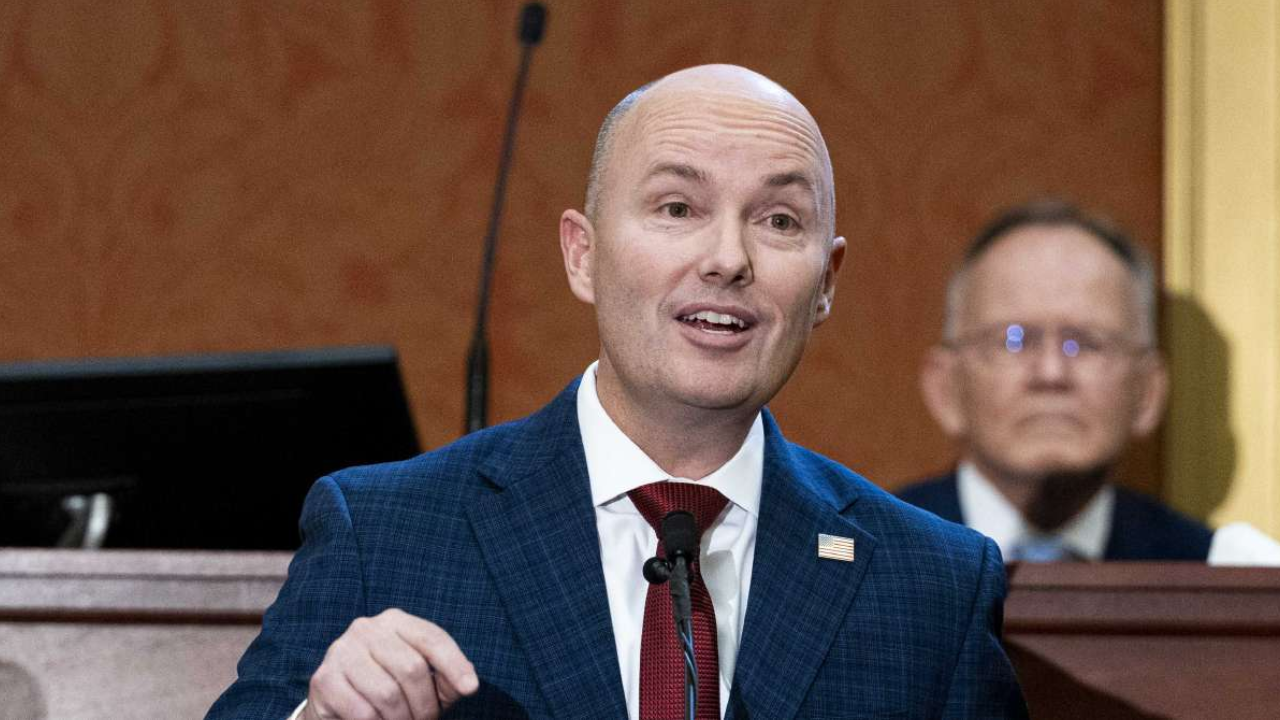
Cox echoed that stance in a statement posted on X, saying most items on the special-session agenda are meant to facilitate the state’s appeal of recent rulings.
“I support the state’s appeal and have confidence the Utah Supreme Court will consider it in a timely way so we have clarity for the 2026 election,” Cox wrote.
HB267 Faces Repeal After Public Outcry
Perhaps the most striking agenda item is the proposed repeal of HB267, which banned collective bargaining for tens of thousands of public workers. The bill’s passage prompted a rapid statewide referendum effort.
Organizers collected the required signatures in a matter of weeks, setting the stage for the issue to appear on the November 2026 ballot unless lawmakers reverse course.
Cox signaled support for the repeal, noting that revisiting the bill will help ensure that Utah continues “supporting our first responders, educators and all those who serve our state.”
For more context on labor rights and collective bargaining frameworks in the United States, readers can reference the U.S. Department of Labor.
Legislative leaders debated the bill throughout the fall, acknowledging mounting criticism from employees and voters. Tuesday’s session is expected to determine whether the issue remains in the hands of elected officials or is decided by Utahns at the ballot box.
With both redistricting and labor rights hanging in the balance, the special session marks one of the most politically pivotal moments heading into the 2026 election cycle.