
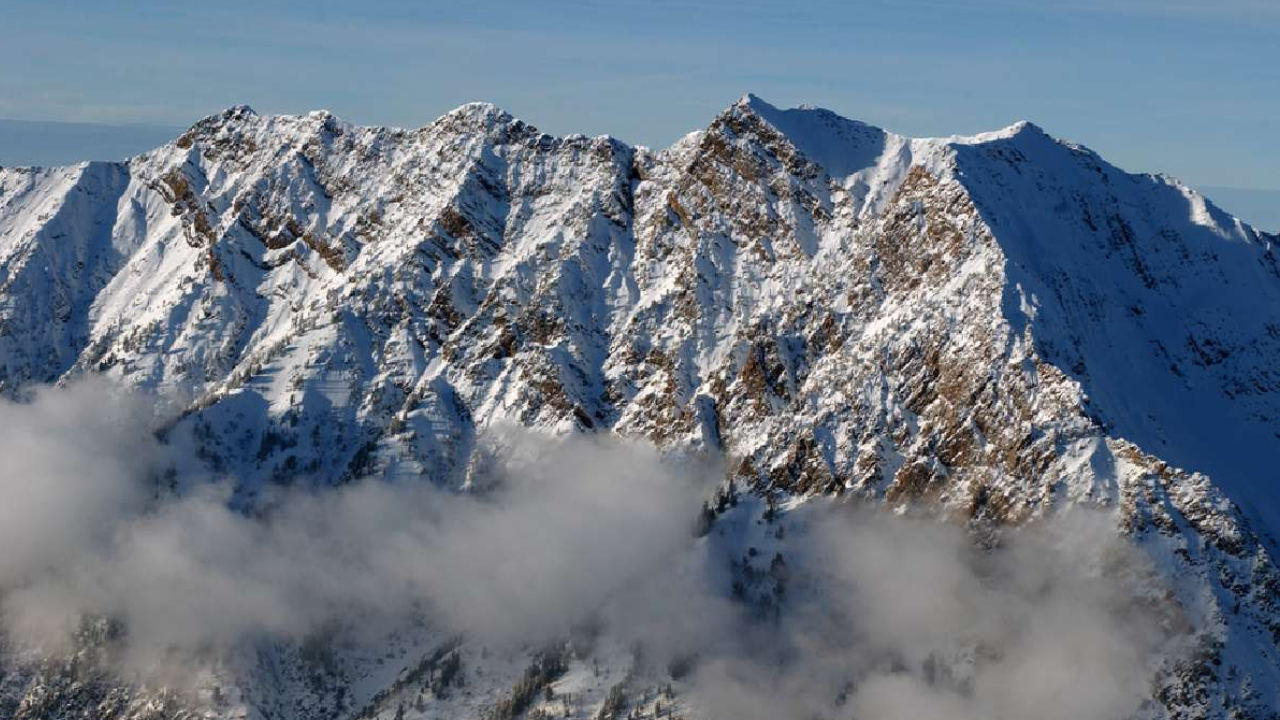
The Beehive State has proudly marketed itself with a bold promise for over six decades. But does the science support Utah’s legendary snow reputation, or is it simply clever marketing?
The Origin of an Iconic Slogan
In December 1960, Salt Lake Tribune editor Tom Korologos crafted a phrase that would define Utah’s winter sports identity for generations. Published in a special ski edition, the “Greatest Snow on Earth” tagline drew inspiration from the Ringling Bros. and Barnum & Bailey Circus, which had recently performed in the area.
The state recognized the slogan’s value quickly, trademarking it in 1975. By 1985, the phrase adorned Ski Utah license plates, cementing its place in local culture. When Ringling Bros. challenged the trademark in the late 1990s, a federal court sided with Utah, ruling that consumers could distinguish between circus entertainment and winter recreation.
What Makes Powder Snow Exceptional
Powder skiing represents the pinnacle of winter sports experiences. Unlike groomed runs or packed snow, fresh powder offers a sensation of weightlessness as skiers and snowboarders float through untouched snow.
Paula Colman, who writes extensively about Utah skiing, describes the experience as being inside a life-size snow globe where sound dampens, perception shifts, and time seems to slow. For enthusiasts, these moments become addictive, transforming casual skiers into dedicated powderhounds.
OnTheSnow meteorologist Evan Thayer characterizes powder skiing as an art form requiring minimal movement while delivering maximum exhilaration. The mountain, snow, and gravity combine to create a sensation so compelling that devotees structure their entire lives around chasing it.
The Science Behind Utah’s Snow Quality
Jim Steenburgh, professor of atmospheric sciences at the University of Utah and author of “Secrets of the Greatest Snow on Earth,” offers a measured perspective on the state’s famous claim.
According to Steenburgh, who earned the nickname “Professor of Powder” from Backcountry magazine, determining the world’s best snow remains subjective. However, certain locations possess optimal conditions for exceptional powder skiing.
Little Cottonwood Canyon exemplifies these ideal conditions through three critical factors: consistent storm frequency, a soft snow base, and right-side-up snowfall patterns. This phenomenon occurs when lighter, drier snow accumulates atop denser layers, creating perfect flotation conditions for skiers and snowboarders.
Utah’s mountains regularly receive over 500 inches of snow annually above 8,500 feet elevation. The Cottonwood Canyons benefit from what Steenburgh calls “Goldilocks storms,” which produce neither too much nor too little snow.
Optimal powder skiing requires at least 10 inches of fresh snow for bottomless runs, but storms exceeding 25 inches create operational challenges for resorts and backcountry access. The Cottonwoods strike this balance more consistently than most locations worldwide.
Debunking Common Misconceptions
Despite popular belief, Utah does not produce the driest snow globally. Mountains throughout Montana, Idaho, and western Colorado feature lower water content in their snowfall.
Steenburgh notes this distinction actually benefits Utah skiers. Extremely dry snow causes riders to sink rather than float, diminishing the powder experience. Utah’s slightly denser snow provides superior flotation properties.
Lake-effect snow from the Great Salt Lake, often credited for Utah’s reputation, contributes merely 6% of total Cottonwood snowfall. The region’s powder quality stems primarily from storm patterns and elevation rather than lake influence.
Global Powder Destinations
Beyond the Cottonwoods, several locations worldwide offer exceptional powder skiing experiences. The Tetons provide steep terrain and consistent snowfall. Interior British Columbia combines deep snow with expansive wilderness terrain.
Japan’s Hokkaido Island represents perhaps the strongest competitor to Utah’s claim. Sukayu Onsen in the Hakkoda Mountains averages 694 inches annually, making it Earth’s snowiest inhabited location. January alone typically brings 181 inches.
Steenburgh diplomatically distinguishes between “greatest snow climate” for Japan and “greatest snow” for Utah, acknowledging both regions’ unique strengths while avoiding definitive declarations.
Climate Change Effects on Utah Snow
Winter precipitation patterns in Utah are evolving due to climate change. Steenburgh’s research indicates snow density is increasing, making snowfall slightly heavier than historical averages.
Lower elevations, including the Salt Lake Valley, now experience more rain during winter months instead of snow. This transition will gradually affect higher elevations in coming decades.
Currently, upper elevations and north-facing slopes show minimal impact. However, Steenburgh predicts these changes will eventually reach mid and upper mountain areas, potentially altering the powder skiing experience that built Utah’s reputation.
The Cottonwoods: Utah’s Powder Epicenter
Little Cottonwood Canyon holds particular significance in powder skiing history as the birthplace of deep powder techniques. Steenburgh identifies it as one of the world’s premier powder skiing destinations, though he emphasizes that not all Utah terrain matches this standard.
The state’s powder skiing reputation relies heavily on the Cottonwood Canyons. While other Utah mountains offer excellent conditions, they typically provide fewer consistent powder days than their Wasatch counterparts.
Brian Head, Alta, Snowbird, Brighton, and Solitude benefit from the unique meteorological conditions that make the Cottonwoods exceptional. Steep terrain, proper elevation, and favorable storm tracks combine to deliver the experiences that justify Utah’s famous slogan.
Marketing Success and Truth
From a branding perspective, “Greatest Snow on Earth” ranks among outdoor recreation’s most successful slogans. It communicates a clear promise while differentiating Utah from competing destinations.
Steenburgh acknowledges substantial truth behind the marketing. While science cannot definitively crown any location as having Earth’s best snow, Utah’s Cottonwood Canyons possess the documented conditions that serious powder skiers seek.
The slogan’s endurance for 65 years demonstrates its effectiveness. Whether scientifically precise or not, it captures the essence of what makes Utah skiing special and continues attracting winter sports enthusiasts from around the globe.
For those seeking to verify the claim personally, visiting Little Cottonwood Canyon during a Goldilocks storm provides the most authentic test. The experience may not settle the scientific debate, but it explains why generations of skiers believe Utah earned its famous title.