
A quiet revolution in holiday traditions is taking place in Saratoga Springs, Utah, where city organizers have created an inclusive Santa experience that ensures every child can enjoy the magic of meeting St. Nick, regardless of their sensory sensitivities or special needs.
The annual Silent Santa event transforms the typical chaotic mall Santa visit into a calm, individualized experience designed specifically for families whose children might struggle with traditional holiday settings. For dozens of local families, this thoughtful accommodation has become an essential part of their Christmas celebrations.
Creating Comfortable Holiday Moments
Traditional Santa visits often occur in bustling shopping centers filled with crowds, bright lights, loud music, and long waiting lines. These environments, while festive for many, can overwhelm children with autism spectrum disorders, sensory processing difficulties, anxiety disorders, or other conditions that make busy, unpredictable settings challenging.
The Silent Santa concept addresses these barriers by offering scheduled time slots in a quiet, controlled environment. Families receive dedicated one-on-one time with Santa without competing noise, crowds, or pressure from others waiting their turn. This structure allows children to interact at their own pace in surroundings that won’t trigger sensory overload.
For the Derbridge family, this accommodation makes the difference between participating in a beloved holiday tradition and missing out entirely. Brittany Derbridge’s 18-year-old son Jackson has special needs that make typical Santa visits impossible.
“Sometimes coming to the mall or bigger settings makes Jackson uncomfortable, and he can’t talk, or he just freaks out,” Derbridge explained. The overwhelming stimulation of conventional settings prevents Jackson from enjoying an experience that other children take for granted.
Silent Santa changes that equation completely. “To let him and his family, who he’s familiar with, sit and chat with Santa, it brings the light of Christmas to our family,” Derbridge said, describing how the event has become a cherished annual tradition for her family.
Event Structure and Participation
The City of Saratoga Springs hosts the event at their municipal building, providing an accessible public venue for the program. Families register in advance for specific time slots, ensuring predictable scheduling and preventing the anxiety that open-ended waiting can create.
This year’s Saturday event drew more than 50 registered children, demonstrating significant community need and appreciation for the program. The advance registration system allows organizers to space appointments appropriately, maintaining the calm atmosphere essential to the event’s success.
Each family receives unhurried time with Santa, allowing children to warm up gradually, communicate in whatever manner works best for them, and create meaningful interactions without external pressure. Parents can explain their child’s specific needs to Santa beforehand, ensuring he understands how best to engage with each individual child.
The setting remains quiet and low-stimulus, with controlled lighting, minimal decorations compared to commercial displays, and careful attention to sensory factors that might cause distress. These accommodations transform what could be an impossible situation into a magical experience.
The Broader Meaning of Inclusion
Silent Santa represents more than logistical accommodation; it embodies the principle that community events should welcome everyone regardless of ability differences. Too often, families with special needs children find themselves excluded from typical holiday activities not by intention but by design that doesn’t account for diverse needs.
When communities create inclusive alternatives, they send powerful messages about belonging and acceptance. Children with special needs and their families shouldn’t have to choose between participating in holiday traditions and avoiding situations that cause genuine distress.
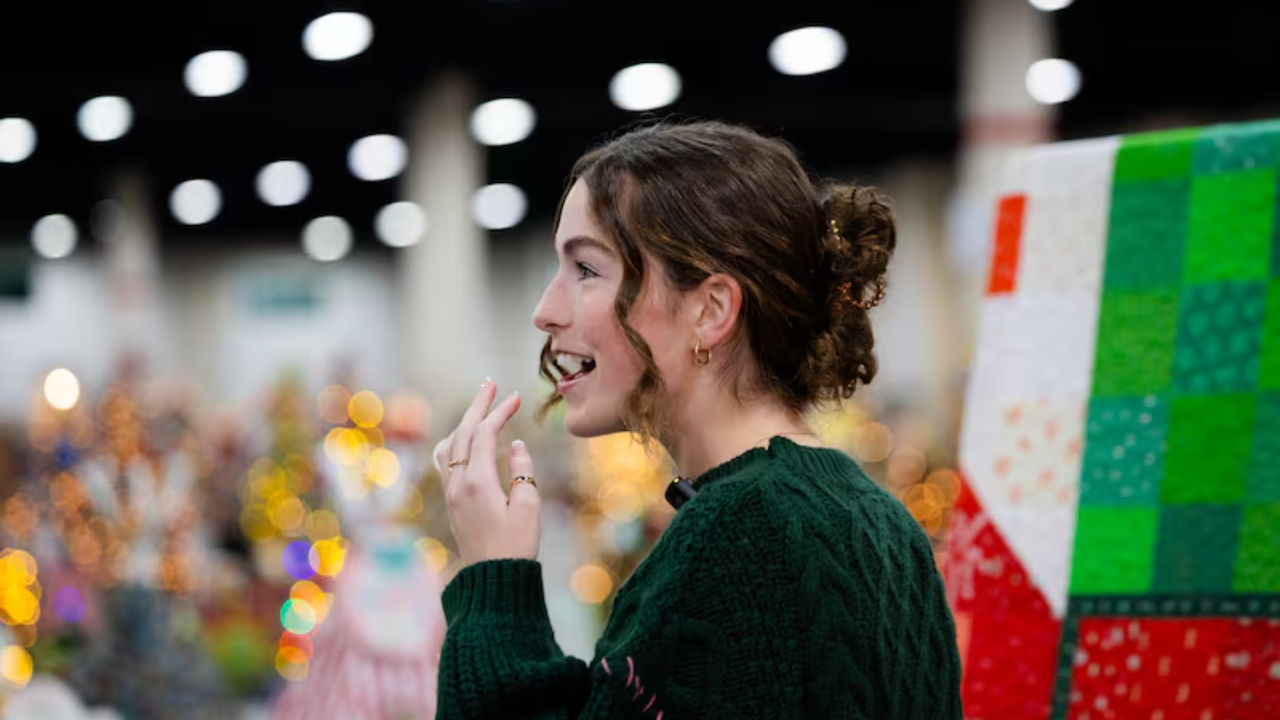
Kylie Priday, current Miss Saratoga Springs who participates in the event, described the experience as magical and deeply meaningful. “It’s so wholesome to be able to see all the joy that it brings,” Priday said, emphasizing the profound happiness the event creates for participating families.
“You come and see the magic that it creates for the kids. They’re always so excited to see Santa,” she continued, noting that the children’s authentic joy vindicates the effort required to organize the specialized event.
Understanding Special Needs and Sensory Challenges
Children with autism, sensory processing disorders, anxiety conditions, and various other special needs often experience the world differently than neurotypical peers. Environments that seem merely exciting or festive to most people can feel genuinely painful or frightening to those with heightened sensory sensitivities.
Loud sounds may register as physically painful. Bright, flashing lights can cause genuine distress rather than delight. Crowds and unpredictable movement create anxiety and fear. The combination of these factors in typical holiday settings can trigger meltdowns, shutdowns, or other responses that prevent children from enjoying experiences they desperately want to participate in.
These reactions aren’t behavioral choices or parenting failures; they represent neurological differences in how sensory information gets processed. Children cannot simply “get over it” or “try harder” to tolerate overwhelming environments any more than someone could choose not to feel pain from touching a hot stove.
Understanding this reality explains why accommodations like Silent Santa prove essential rather than merely nice additions. They don’t represent special treatment but rather necessary adjustments that level the playing field, allowing all children access to cultural experiences.
Model for Other Communities
Event organizers and participating families hope that Silent Santa’s success will inspire other Utah cities and communities nationwide to implement similar programs. The model requires relatively modest resources but delivers extraordinary value for families who need these accommodations.
Basic requirements include a quiet venue, a willing Santa who understands special needs considerations, advance registration systems, and commitment to maintaining the calm environment throughout the event. Many communities possess these resources but haven’t yet organized them into inclusive holiday programming.
As awareness grows about sensory sensitivities and special needs populations, more municipalities and organizations recognize the importance of creating accessible versions of traditional events. Silent Santa joins a growing movement toward inclusive holiday experiences including sensory-friendly theater performances, quiet shopping hours, and adaptive recreation programs.
Some shopping centers have begun offering sensory-friendly Santa experiences during specific time periods, recognizing business advantages alongside social responsibility. When families feel welcomed and accommodated, they become loyal customers and community supporters who appreciate being valued rather than overlooked.
The Santa Experience Matters
Some might question whether meeting Santa warrants such accommodation efforts, viewing it as a frivolous tradition rather than essential experience. However, cultural participation and creating holiday memories hold genuine importance for child development and family bonding.
When children with special needs consistently miss out on activities their peers enjoy, it reinforces feelings of difference and exclusion. Creating accessible alternatives affirms that they belong to their communities and deserve the same magical moments as other children.
For parents of special needs children, opportunities to participate in typical childhood experiences without stress or embarrassment provide welcome respite from constant accommodation battles. Silent Santa allows families to relax, knowing the environment will work for their child rather than against them.
The photographs families take with Santa hold the same meaning as those in any family’s album: tangible memories of childhood, documentation of growth over years, and symbols of family traditions passed through generations. Every child deserves these keepsakes regardless of ability differences.
Volunteer and Community Support
Successful Silent Santa events depend on community volunteers who donate time to make the experience possible. From the Santa volunteers who spend hours patiently engaging with each child to the organizers who handle registration and logistics to the community members who spread awareness, multiple contributors enable these programs.
Miss Saratoga Springs’ participation exemplifies how community leaders can use their platforms to highlight and support inclusive initiatives. When local dignitaries participate, they validate the program’s importance and encourage broader community engagement.
Businesses and organizations can support Silent Santa programs through financial sponsorship, venue donations, or volunteer coordination. These partnerships between municipal governments, nonprofits, and private sector entities demonstrate effective collaboration addressing community needs.
Long-term Impact
For families like the Derbridges who have made Silent Santa an annual tradition, the event’s impact extends far beyond single visits. The accumulation of positive holiday memories contributes to family identity and creates anticipatory joy as each December approaches.
Children who participate in Silent Santa learn that communities can adapt to accommodate their needs rather than requiring them to constantly adapt to environments that don’t work for them. This lesson carries implications beyond holiday events, shaping expectations about inclusion and belonging.
Siblings of special needs children also benefit from Silent Santa experiences. Rather than watching their brother or sister struggle or miss out, they share positive holiday experiences together as families. This reduces resentment and builds compassion while creating shared memories.
Broader Inclusion Initiatives
Silent Santa represents one element of broader inclusion efforts within communities. As awareness increases about diverse needs within populations, responsive communities implement multiple accommodations across various contexts.
Sensory-friendly movie screenings, quiet museum hours, adaptive sports leagues, inclusive playgrounds, and accessible community events all reflect growing commitment to ensuring everyone can participate in community life. Each initiative requires specific adjustments but shares the underlying principle that inclusion matters.
The Utah Governor’s Office and various state agencies have promoted disability awareness and inclusion initiatives, encouraging communities statewide to consider how their programming serves diverse residents. Silent Santa aligns with these broader efforts while addressing specific holiday needs.
Call for Expansion
As the Silent Santa concept gains recognition, advocates encourage communities without similar programs to consider implementation. The model’s success in Saratoga Springs proves that thoughtful accommodation creates meaningful impact without requiring prohibitive resources.
Cities considering Silent Santa programs can connect with existing program organizers to learn from their experience. Sharing best practices, troubleshooting common challenges, and adapting successful models to local contexts helps new programs launch effectively.
Parent advocacy groups, special needs organizations, and disability rights advocates can champion Silent Santa initiatives within their communities by approaching municipal recreation departments, chambers of commerce, and service organizations with proposals for starting programs.
A Growing Tradition
What began as a simple accommodation for families struggling with traditional Santa visits has evolved into a beloved community tradition that participants eagerly anticipate each year. The growth from initial offerings to programs serving 50-plus children demonstrates both need and appreciation for inclusive holiday programming.
As Silent Santa continues spreading across Utah and beyond, it joins other inclusive innovations transforming how communities celebrate holidays and ensure everyone can participate in seasonal magic. The program stands as testament to what becomes possible when communities prioritize inclusion and recognize that accommodation benefits everyone.
For the Derbridge family and dozens of others in Saratoga Springs, Silent Santa represents the true spirit of the holiday season: ensuring that every child, regardless of challenges they face, experiences the wonder, joy, and belonging that make this time of year special.