
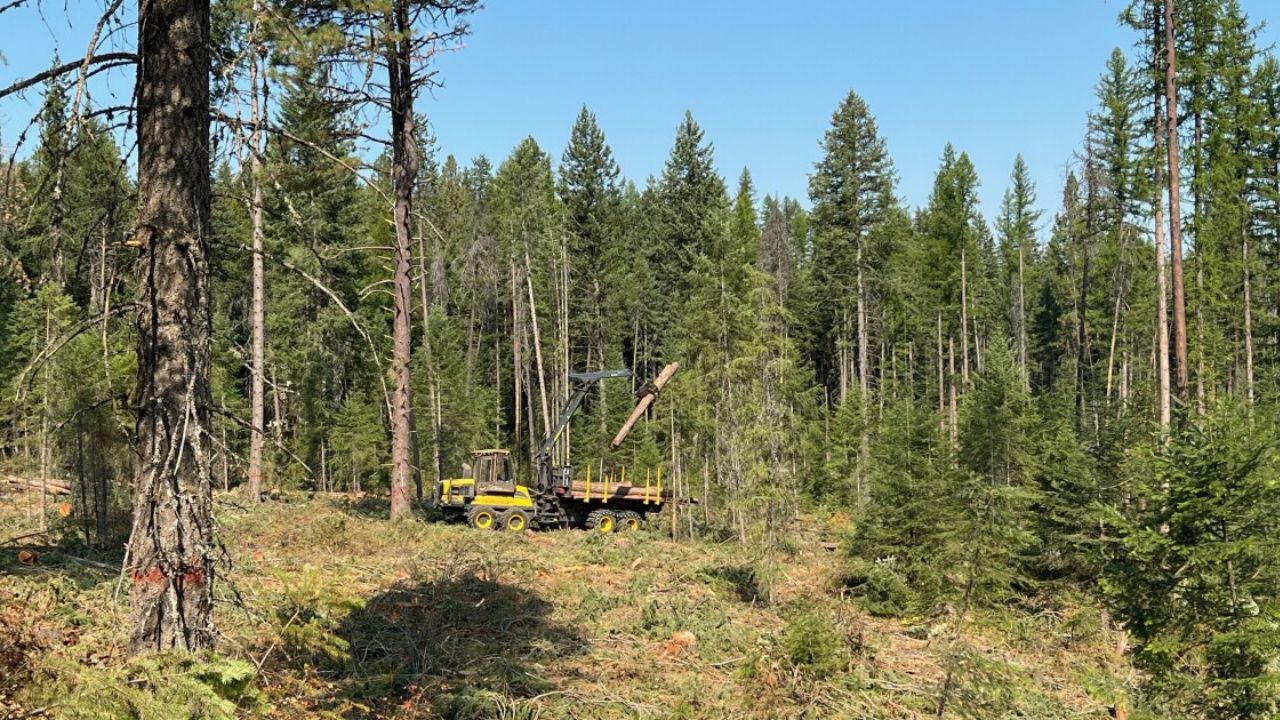
The state of Idaho has entered into a new collaboration with the U.S. Forest Service aimed at significantly increasing timber sales across federally managed forests. The partnership is designed to boost timber production, support local economies, and improve forest health through expanded harvesting efforts.
Idaho and U.S. Forest Service Launch Timber Expansion Plan
Joint Effort to Increase Timber Output
Idaho officials confirmed that the state is working closely with the U.S. Forest Service to streamline processes and accelerate timber sale approvals. The shared objective is to substantially raise the volume of timber sold from national forest lands.
Focus on Long-Term Forest Management
Officials emphasized that the plan aligns economic objectives with sustainable land management. By increasing active timber harvesting, the partnership aims to reduce wildfire risk, manage overgrown forests, and maintain ecosystem balance.
Why Idaho Is Pushing to Expand Timber Sales
Economic Benefits for Rural Communities
Timber production plays a major role in Idaho’s rural economy. Expanding timber sales is expected to create jobs, support logging operations, and strengthen supply chains tied to the state’s forestry sector.
Improving Forest Health and Fire Prevention
Forest officials note that thinning dense forest areas through increased harvesting can lower the severity of wildfires. The strategy promotes healthier forests while reducing fuel loads that contribute to dangerous fire conditions.
What the Partnership Means for Federal Lands
Streamlined Planning and Coordination
The state and federal agencies will work together to speed up environmental reviews, project planning, and timber sale scheduling. Improved coordination is intended to make the process more efficient without compromising environmental standards.
Balancing Conservation and Industry
Leaders involved in the partnership stressed that conservation measures will remain in place. Timber projects will continue to follow federal regulations designed to protect wildlife habitat, watersheds, and public lands.
Reactions and Broader Implications
Support From Industry Groups
Forestry and timber industry representatives have welcomed the initiative, saying it could stabilize supply levels and keep mills operating consistently.
Environmental Oversight Remains Key
While supporters see economic advantages, environmental groups are expected to closely monitor how the partnership is implemented to ensure sustainability goals are met.