
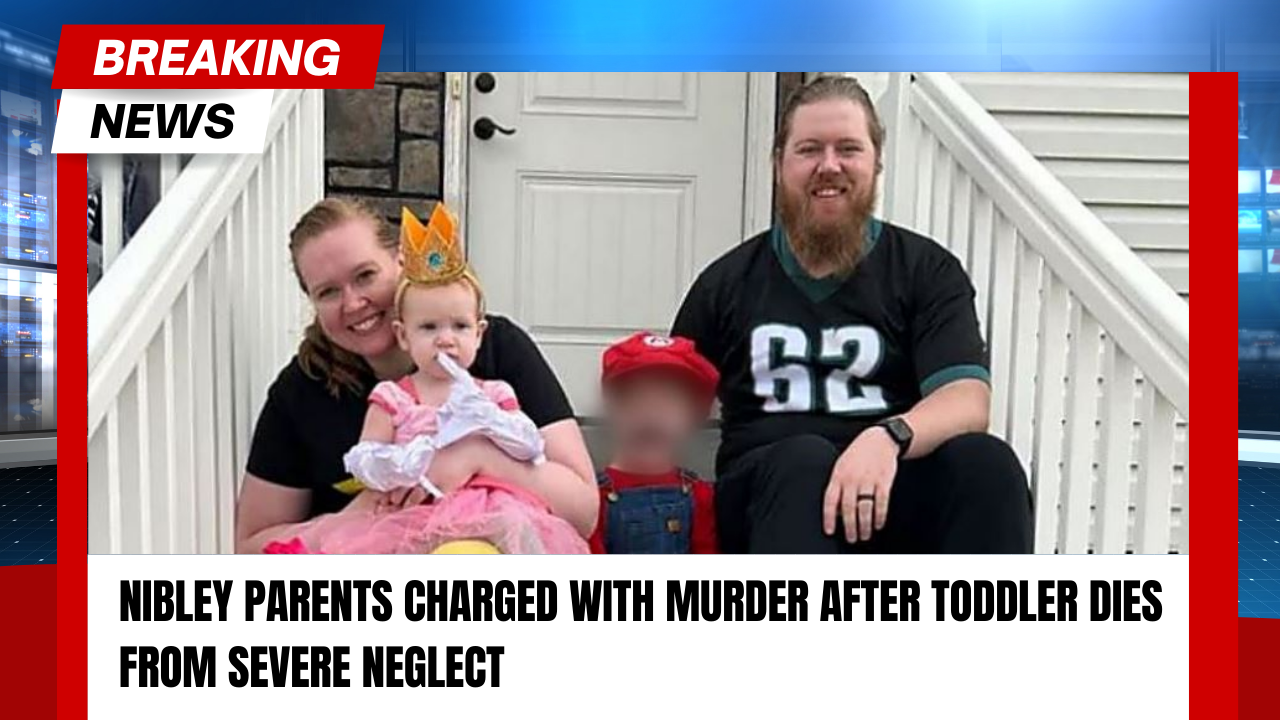
A Cache County couple faces aggravated murder and child abuse charges following the death of their 18-month-old daughter, who investigators say died from malnutrition and dehydration after spending most of her final days confined to a crib with minimal human contact. Mitchell Chesnut Murray, 31, and Carrie Marie Murray, a registered nurse, were arrested Wednesday, nearly nine months after their daughter Ruby Marie Murray died on March 19, 2025.
Investigation Details Severe Neglect Pattern
The Cache County Sheriff’s Office investigation identified what authorities describe as a severe pattern of neglect leading up to the infant’s death. Using data recovered from baby monitors and surveillance cameras, investigators reconstructed Ruby’s final four days, revealing she spent all but six hours and fifteen minutes confined to her crib during that 96-hour period.
The total time another human being was present with the child during those four days was 49 minutes and 15 seconds. On March 18, the day before Ruby’s death, surveillance footage showed she was never removed from her crib, and the total interaction the family had with her lasted just 49 seconds.
The medical examiner determined Ruby died from complications arising from dehydration and malnutrition, weighing only slightly over 17 pounds at the time of her death. This placed her weight below the fifth percentile for children her age, according to court documents.
March 19 Emergency Response
Carrie Murray called emergency responders on the morning of March 19, reporting she had found her daughter dead inside her crib. Although dispatchers attempted to have Murray begin life-saving measures, she informed them she was a nurse and believed the child to be beyond help.
When speaking with officers, Carrie claimed she and her husband had last seen their daughter alive approximately 16 hours earlier, with Mitchell being the last to check on the girl. Responding deputies found Ruby deceased in her crib in a bedroom with a running space heater, wearing long-sleeved footed pajamas and a sleep sack.
The crib was littered with old pieces of food and several sippy cups, with trash, wrappers, and large pieces of waffles found underneath the mattress. Investigators reported the space heater was set to 68 degrees Fahrenheit, making the room noticeably warmer than the rest of the home.
Parents’ Statements to Investigators
Carrie Murray told police the last time she saw her daughter was at 3 a.m. on March 17, two days before the death was reported, when she changed Ruby’s diaper and gave her a snack. She claimed she did not see her daughter the rest of that day, even after returning home from work. The following day, Carrie said she was awakened at 4 a.m. by her daughter’s cries but left the girl for her husband to care for while she prepared for work.
Mitchell Murray told police he works from home and explained what he termed “crib days,” where Ruby remained in her crib all day while he worked, claiming this occurred one to two days per week. He stated he would check on her two or three times during these days, though surveillance footage contradicted this account.
When asked about Ruby’s food and water intake, Carrie said she was given a sippy cup in the morning and evening, and would eat waffles for all her meals. She claimed the child only ate inside the crib because the family wasn’t “table people”.
Disturbing Evidence from Medical Records
A review of Ruby’s medical records showed consistently below-average weight and recommendations to improve the child’s nutritional intake. Though her weight increased between her 12-month checkup and two follow-up appointments, the child’s weight had decreased by the time of her death.
During a second interview, Carrie Murray allegedly admitted she and Mitchell interacted with Ruby even less during the previous fall, that they bathed her about once a week, and that Ruby had only eaten baby food once or twice, mainly receiving waffles, quesadillas or a sippy cup.
Detectives who watched all four days of surveillance footage noted that Ruby did not exhibit normal sleeping patterns for a child and did not seem to differentiate night from day. There was loud rock and pop music played through an Amazon Alexa in Ruby’s room, including bands like Green Day, Fallout Boy, and Panic! At the Disco, that appeared to interfere with her ability to sleep at times.
Contrasting Parental Responses
When questioned by investigators, Mitchell Murray reportedly became emotional, acknowledging the child’s inability to care for herself. He admitted that “you’re supposed to spend as much time on her as you do on yourself”.
However, Carrie Murray allegedly stated she felt “no guilt over this,” suggesting the death “was her time”. According to court documents, Carrie told investigators she typically feels guilt strongly but felt “no guilt over this”. When police interviewed her, the mother told investigators that her “biggest guess” was that Ruby died from Sudden Infant Death Syndrome, although she acknowledged Ruby was “older than typical for a SIDS death”.
Criminal Charges and Legal Proceedings
Mitchell Murray and Carrie Murray have been charged with first-degree felony aggravated murder and second-degree felony aggravated child abuse. According to jail records, both are being held pending arraignment on formal charges in Logan’s 1st District Court.
Deputies have requested the couple be held without bail, claiming they constitute a substantial danger to the community or could flee the area if released. The Cache County Sheriff’s Office conducted the investigation over the past nine months before filing charges.
First-degree felony aggravated murder carries potential sentences ranging from 15 years to life in prison under Utah law. The aggravated child abuse charge, a second-degree felony, could result in one to 15 years imprisonment if convicted.
Impact on Community and Child Welfare System
The case has raised serious questions about how such severe neglect could persist undetected for months in a community with access to pediatric healthcare and social services. Medical records documenting Ruby’s consistently low weight and recommendations for improved nutrition suggest healthcare providers had identified concerns, though the extent of intervention efforts remains unclear.
Carrie Murray’s status as a registered nurse since age 21 adds another troubling dimension to the case. Her medical training would have provided extensive knowledge of child developmental needs, nutritional requirements, and signs of health deterioration, making the alleged neglect particularly difficult to comprehend.
The presence of another child in the household, a 4-year-old identified in court documents, raises additional concerns about that child’s welfare and whether intervention is needed to ensure safety. Carrie Murray allegedly told investigators she was unsure about her son’s daily routine, including when he woke in the morning.
Broader Context of Child Neglect Cases
Utah, like many states, maintains child protective services designed to identify and intervene in cases of abuse or neglect before they result in serious harm or death. The system relies on mandatory reporters including healthcare providers, teachers, and daycare workers who must notify authorities when they suspect maltreatment.
Child neglect represents the most common form of maltreatment reported to child protective services nationwide, accounting for approximately 75 percent of substantiated cases according to federal data. However, fatal neglect cases like Ruby’s remain relatively rare, with most interventions occurring before children suffer life-threatening consequences.
The investigation’s reliance on baby monitor surveillance footage highlights how modern technology can provide detailed evidence in child welfare cases. This evidence allowed investigators to precisely document Ruby’s care patterns, refuting parental accounts and establishing the extent of neglect with unprecedented accuracy.
Legal Standards for Murder Charges
Utah law defines aggravated murder as intentionally or knowingly causing someone’s death under aggravating circumstances. In child death cases, prosecutors can pursue murder charges even without direct intent to kill if they can demonstrate defendants acted with depraved indifference to human life or engaged in conduct creating grave risk of death while knowing the risk.
The aggravated murder charge in this case likely stems from the extended pattern of withholding basic necessities from a helpless child despite clear awareness of the life-threatening consequences. The prosecution must prove the defendants knew their actions created substantial risk of death and proceeded with criminal disregard for that risk.
Defense attorneys in such cases typically argue that parents lacked intent to harm their children, suffered from mental health conditions affecting judgment, or misunderstood the severity of the situation. However, the extensive surveillance evidence and Carrie Murray’s nursing background may complicate traditional defense strategies in this particular case.
Community Response and Support Services
The Cache County Sheriff’s Office extended its deepest and most heartfelt condolences to all individuals affected by this tragic case. Local community members have expressed shock and grief over Ruby’s death, with many questioning how neighbors and others in contact with the family failed to recognize warning signs.
Child advocacy organizations emphasize the importance of community vigilance in protecting vulnerable children. Signs of severe neglect can include poor hygiene, inappropriate clothing for weather conditions, constant hunger, lack of supervision, and delayed physical or emotional development. However, cases where children have minimal public exposure present particular challenges for community-based detection.
The Utah Division of Child and Family Services provides resources for reporting suspected child abuse or neglect, operating a 24-hour hotline for concerned individuals. The agency investigates thousands of reports annually, though resource constraints limit the depth of investigation possible in many cases.
Presumption of Innocence
Individuals arrested and charged in complaints are presumed innocent unless or until proven guilty beyond a reasonable doubt in court. Mitchell and Carrie Murray will have opportunities to present evidence and defend against the charges through Utah’s criminal justice system.
The legal process will likely involve extensive examination of the surveillance footage, medical records, expert testimony regarding child development and nutrition, and potentially testimony from relatives, healthcare providers, and others who interacted with the family. The case may take many months or even years to resolve through the court system.
If the defendants proceed to trial rather than accepting plea agreements, a jury will ultimately decide whether prosecutors have proven guilt beyond reasonable doubt. The high-profile nature of the case and disturbing evidence may present challenges for both sides in selecting an impartial jury and ensuring a fair trial.
Conclusion
The charges against Mitchell and Carrie Murray represent one of the most disturbing child neglect cases in recent Cache County history. The extensive surveillance evidence documenting Ruby’s isolated final days provides unusually detailed documentation of the alleged neglect pattern that investigators say led to her death from malnutrition and dehydration.
As the legal proceedings continue, the case will likely spark broader discussions about child welfare system effectiveness, community responsibility for vulnerable children, and the intersection of parental rights with child protection obligations. For now, Ruby’s death stands as a tragic reminder of the consequences when basic parental duties to provide food, water, and human contact are allegedly abandoned.
The criminal justice process will determine whether the defendants bear criminal responsibility for their daughter’s death and, if convicted, what punishment appropriately addresses the alleged conduct. Whatever the legal outcome, Ruby’s brief life ended in circumstances no child should experience, leaving a community searching for answers about how such severe neglect could occur undetected until it proved fatal.