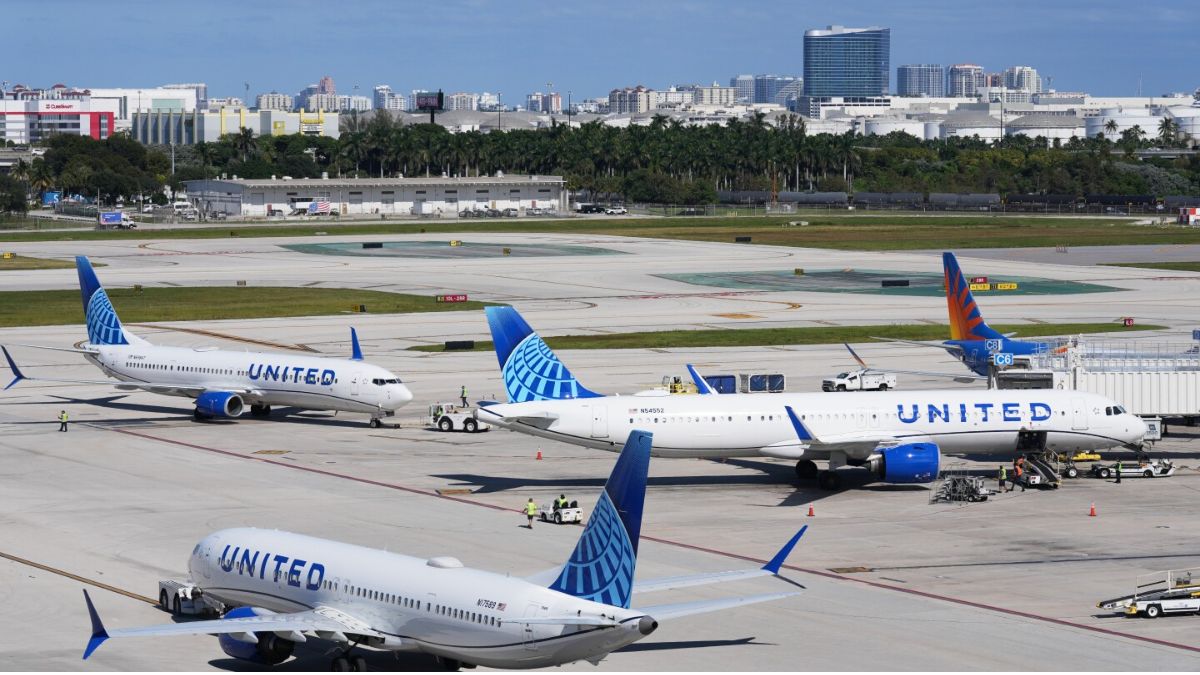
The Federal Aviation Administration (FAA) confirmed on Sunday that it will remove all commercial flight restrictions that were enforced at 40 major U.S. airports during the nation’s longest government shutdown. Starting Monday at 6 a.m. EST, airlines are free to return to their normal flight schedules.
Who Made the Decision?
This update was delivered through a joint statement issued by Transportation Secretary Sean P. Duffy and FAA Administrator Bryan Bedford, signaling a major shift for aviation operations nationwide.
Why the Restrictions Were Implemented
Staffing Shortages Forced Safety Measures
As the shutdown continued, staffing shortages in air traffic control facilities raised serious safety concerns. In response, the FAA issued an unprecedented order on Nov. 7, reducing the volume of flights across the United States to protect the aviation system.
Impacted Airports
These limitations affected some of the country’s busiest hubs, including airports in:
- New York
- Chicago
- Los Angeles
- Atlanta
How Flight Reductions Changed Over Time
Gradual Adjustments in Flight Cut Percentages
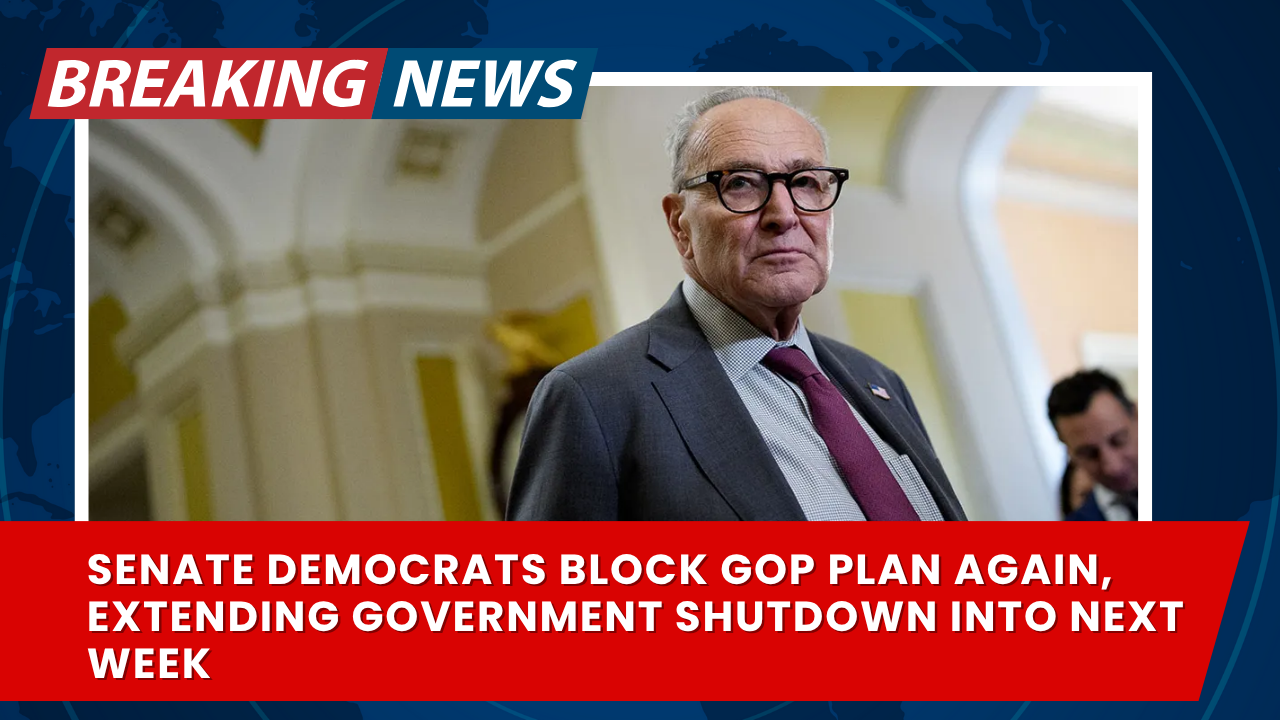
The initial reduction started at 4%, later expanded to 6%, and was then scaled back to 3% on Friday as air traffic controller staffing began improving after the 43-day shutdown ended on Nov. 12.
Lowest Cancellation Levels Since Order Began
This weekend marked the lowest number of cancellations since the order was issued.
- Aviation data firm Cirium reported less than 1% of flights were canceled over the weekend.
- FlightAware logged 149 cancellations on Sunday and 315 on Saturday—well below FAA’s required 3% reductions.
FAA’s Safety Review and Compliance Concerns
According to the latest statement, the FAA’s internal safety review team recommended lifting the order after conducting detailed evaluations of safety trends and noticing a significant drop in staffing-trigger events.
However, the agency also revealed it is reviewing cases of non-compliance by some carriers during the emergency restriction period. No additional details were provided.
When Cancellations Peaked
The worst day for travelers came on Nov. 9, when airlines canceled over 2,900 flights due to:
- The FAA’s emergency order
- Persistent air traffic controller shortages
- Severe weather across several regions
Conditions gradually improved the following week as more controllers returned to duty, helped by news that Congress was nearing an agreement to end the shutdown. As a result, the FAA temporarily halted plans to increase reduction rates further.
The FAA’s Original Target
Before improvements occurred, the FAA was aiming for a 10% systemwide reduction in flights. Secretary Duffy said troubling safety indicators justified strong action to ease pressure on the overstretched aviation network, especially while the shutdown stretched into its second month.
The Human Toll on Air Traffic Controllers
Throughout the shutdown, air traffic controllers were required to work without pay, missing two full paychecks. Their absence due to fatigue, stress, and staffing gaps played a significant role in the FAA’s safety decisions.
Duffy has not released the specific safety data that prompted the cuts but acknowledged rising concerns, including:
- Aircraft coming too close to one another
- An increase in runway incursions
- More pilot complaints about controller responses
Airlines Hopeful Ahead of Holiday Travel
With the FAA’s restrictions now lifted, major airline executives say they expect operations to stabilize quickly, just in time for the busy Thanksgiving travel season.
The decision by the FAA to lift all flight restrictions marks an important milestone after the country’s record-long government shutdown. As staffing levels rebound and flight schedules return to normal, both passengers and airlines can look forward to smoother operations.
While safety concerns prompted a historic intervention, the aviation system now appears to be on track for recovery, offering renewed confidence ahead of the holiday rush.