It’s both nostalgic and heartbreaking to see once-thriving fast-food giants—symbols of quick meals and affordability—slowly disappear from the American landscape. For years, these restaurants offered comfort, serving as go-to spots for after-school snacks, road trips, and late-night college meals.
But as economic pressures mount, consumer habits evolve, and competition intensifies, many of these legacy brands are finding it hard to survive. What was once a solid part of American life is now facing an uncertain future.
Arby’s: From Roast Beef Fame to Financial Strain
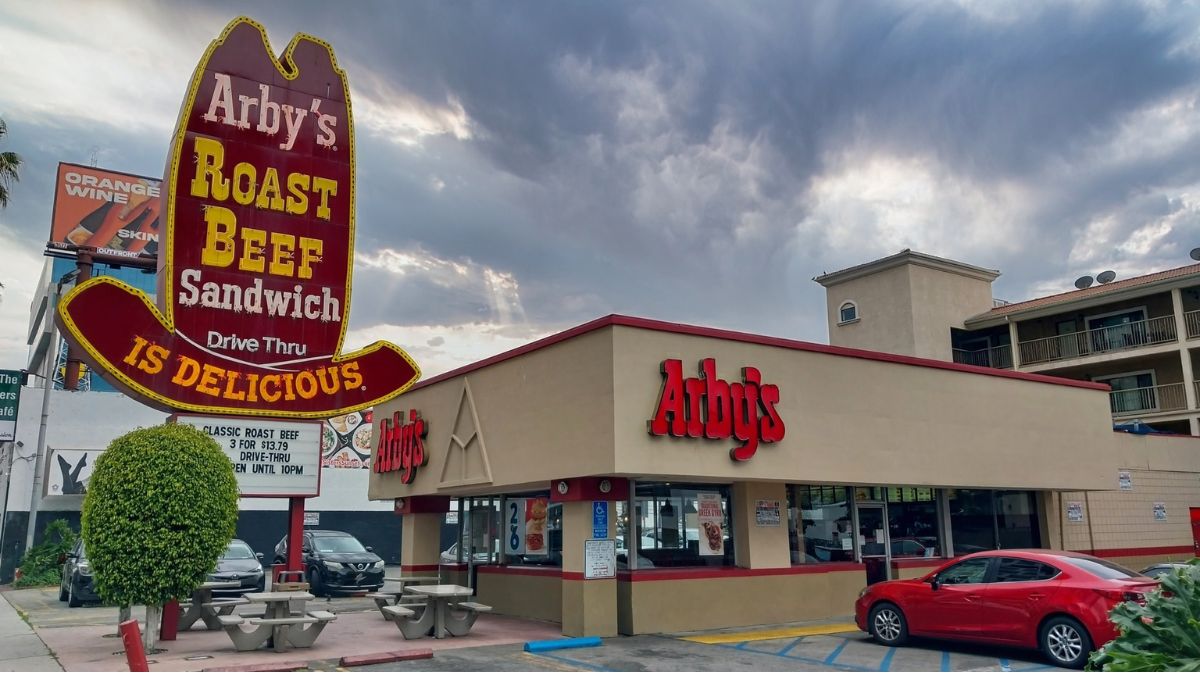
Founded in 1964, Arby’s became famous for its roast beef sandwiches, curly fries, and its unforgettable slogan, “We Have the Meats.” With over 3,300 restaurants across the United States, the brand earned a strong third-place ranking among fast-food sandwich chains, as noted by QSR Magazine.
However, despite its proud history, Arby’s is struggling under rising labor, rent, and ingredient costs, along with declining customer visits. These combined factors have led to shrinking profits and forced closures across multiple locations.
Arby’s Financial Report and Declining Sales
According to NRN, citing Technomic data, Inspire Brands—Arby’s parent company—recorded $29.5 billion in total sales for 2024.
Unfortunately, Arby’s itself delivered the weakest performance among its six sister brands, seeing a 6.3% drop in sales that year. The chain also closed 48 restaurants, a 1.4% reduction in its total count.
2025: More Arby’s Closures Across States
While Arby’s has yet to publicly explain the latest shutdowns, reports show that 14 additional restaurants closed during 2025 across eight states:
| State | City/Area | Closure Date (2025) |
|---|---|---|
| Tennessee | Cordova, Germantown, Memphis, Murfreesboro | July–October |
| California | Fresno, Victorville | Sept–Nov |
| Delaware | Talleyville | June |
| Florida | Jacksonville area (4 stores) | Early 2025 |
| Maryland | Laurel | March |
| New Jersey | Audubon | January |
| Washington | Pullman | June |
| South Carolina | North Charleston | July |
These shutdowns reflect the larger financial and operational stress affecting the fast-food sector nationwide.
The Broader Industry Struggle
Arby’s isn’t alone. The entire restaurant industry is battling higher costs and reduced consumer spending. The U.S. Bureau of Labor Statistics reported that “food away from home” prices rose 3.7% in the year ending September 2025.
Between 2014 and 2024, menu prices at major fast-food chains—Arby’s, Wendy’s, and Burger King—soared by up to 100%, well above the national inflation rate of 33%. Each of these chains raised prices by around 55%, making fast food far less affordable than before.
As per Circana, overall restaurant traffic dropped by 1% in the second quarter of 2025, signaling a consumer shift toward home-cooked meals and grocery shopping.
Coresight Research’s Sujeet Naik explained, “This poses a serious challenge for restaurants, as demand moves away from dining establishments toward home meal preparation.”
Wendy’s and Burger King Also Affected
The trend of closures extends beyond Arby’s. Wendy’s announced plans to close 300 restaurants by the end of 2026, while Burger King has already shut down multiple outlets after one of its franchisees filed for Chapter 11 bankruptcy in April 2025.
According to Michael S. Kaufman, a Harvard Business School consultant, “Consumers are thinking harder about every dollar spent. The large fleets of traditional restaurants may no longer be sustainable.”
The Emotional Toll on Americans
For millions of loyal customers, these closures strike a personal chord. The disappearance of familiar fast-food names represents not just an economic shift, but also the loss of cultural icons that shaped generations of dining memories.
The fall of Arby’s and other fast-food titans underscores a major transformation in how America eats and spends. Rising costs, shrinking budgets, and evolving lifestyles have reshaped the food industry, forcing even long-standing brands to rethink survival strategies.
Unless the economy stabilizes and consumer confidence rebounds, more closures could follow, marking the end of an era for the fast-food world.